Tendons, which connect muscles to bones, can be strained by overuse. Excessive strain makes the tissue sensitive. Tendinitis, or tendon inflammation, is a musculoskeletal problem that develops as a result of this strain. In medicine, it is called tendinitis. Repetitive movements in daily life and sports activities can trigger this condition. Pain develops over time. Movements may be restricted. Symptoms and Causes of Tendinitis: Tendons are strong tissues that connect muscles to bones. Daily movements…

Tendons, which connect muscles to bones, can be strained by heavy use. Overloading makes the tissue fragile. TendonitisThis is a musculoskeletal problem that develops as a result of strain. In medicine, it is called tendinitis. Repetitive movements in daily life and sports activities can trigger this condition. Pain develops over time. Movements may be restricted.
Symptoms and Causes of Tendonitis

Tendons are strong tissues that connect muscles to bones. They enable healthy daily movements. Sudden strain or repetitive movements can put pressure on these tissues. Over time, sensitivity develops. Discomfort may occur during movement. If the problem is not detected early, it can develop into a process that makes daily life difficult.
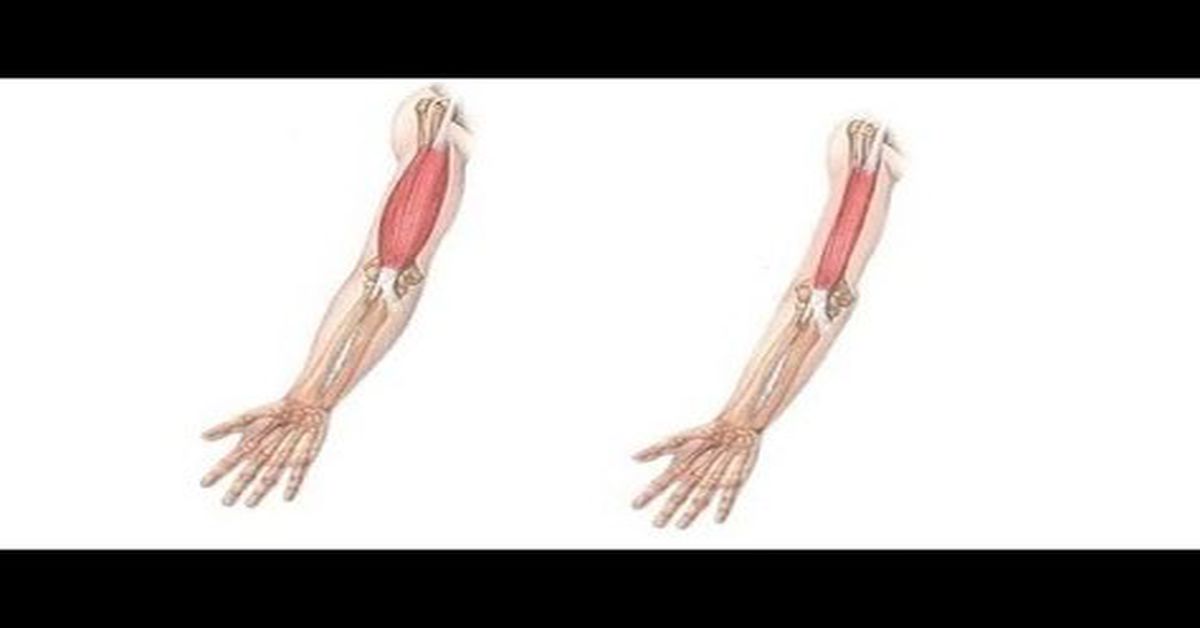
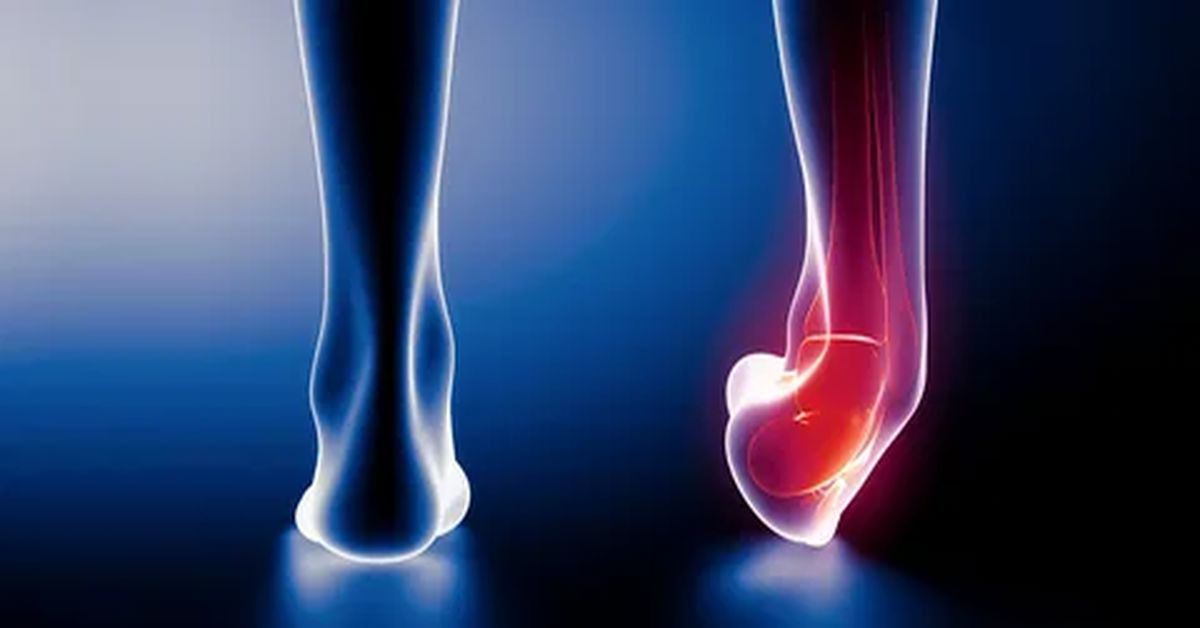
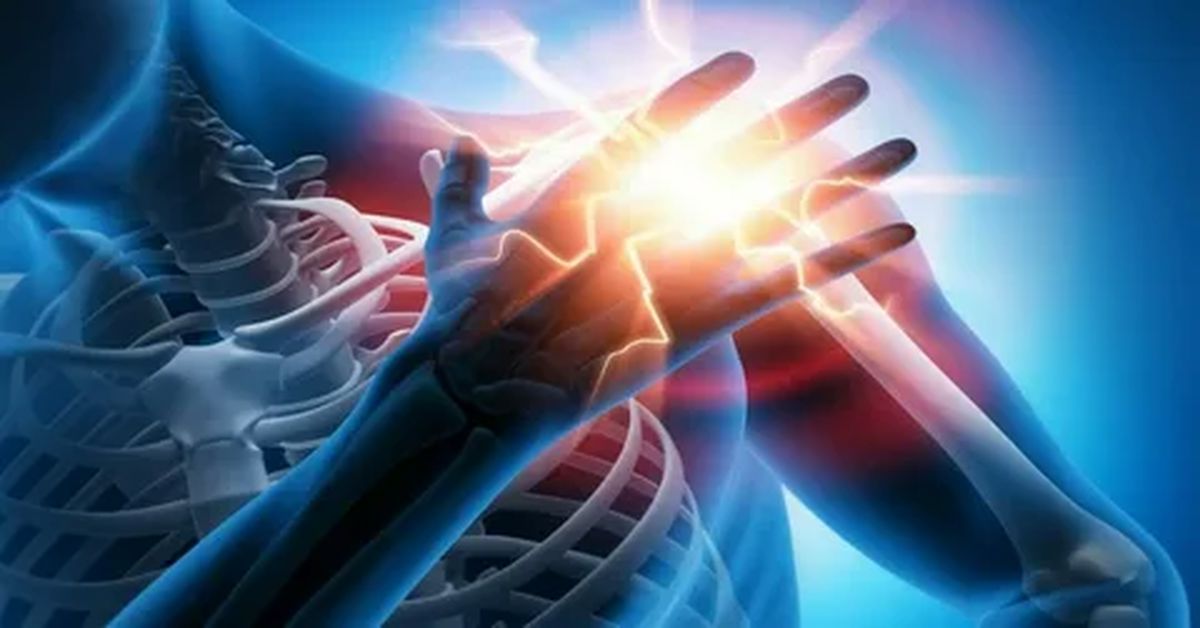
The most common symptoms include pain and tenderness. TendonitisIt usually causes pain that increases with movement. Swelling may be seen in the affected area. A feeling of stiffness may be experienced in the mornings. Some people experience loss of strength. A burning or tingling sensation may also occur during movement. These symptoms are more pronounced in frequently used areas such as the hand, shoulder, knee, or ankle.
The primary cause is repetitive, strenuous movements. Incorrect technique during sports is a significant factor. Prolonged computer use can also increase the risk. Insufficient warm-up leaves muscles and tendons vulnerable. Sudden strain can lead to minor injuries. Tendon flexibility decreases with age, which facilitates the development of inflammation.
When risk factors are not controlled tendonitis It may take longer. Choosing the wrong shoes and using inappropriate equipment can trigger the problem. Insufficient rest time delays recovery. Underlying rheumatic diseases can also be a contributing factor. Taking precautions early is important. Rest and proper loading habits play a protective role. When symptoms are taken seriously, it is possible to prevent more serious problems.
Who gets tendonitis?
What are the treatment methods for tendonitis?

The primary goal of treatment for tendonitis is to reduce pain and promote healing of the affected area. Rest is crucial in the initial stages. Movements that cause pain should be avoided. Avoiding strain on the affected area accelerates the healing process. Daily activities should be resumed in a controlled manner. Early intervention can prevent the problem from becoming chronic.
A significant part of the treatment tendonitis Conservative methods are applied for this purpose. Cold application helps reduce pain and swelling. Pain relievers and anti-inflammatory drugs prescribed by the doctor may be used for a short period. In some cases, a supportive bandage or splint is preferred. These methods provide relief by reducing the load on the tendon.
Physical therapy is a vital part of the healing process. Stretching and strengthening exercises increase tendon endurance. Exercises should be performed in a controlled and regular manner. Incorrect applications can worsen the problem. The physical therapy program is planned individually for each patient. Warm-up and cool-down habits are important in this process. Correct exercises reduce the risk of recurrent inflammation.
In some resistant cases, additional treatment options may be considered. Injections can be used to reduce pain in certain situations, but they are not suitable for every patient. Rarely, surgical treatment may be necessary. This is usually considered in long-term cases that do not respond to treatment. Patience is important during the treatment process. With the right approach and regular follow-up, most patients can return to their daily lives without pain.
What is the recovery process like after treatment for tendonitis?
After treatment is completed, the recovery process should proceed carefully and systematically. Even if pain significantly decreases in the first few days, the area should not be strained immediately. Tissue recovery takes time. Avoiding sudden movements is important during this period. Daily activities should be performed in a controlled manner. Rest and proper weight-bearing form the basis of recovery.
Physical therapy and exercises are an important part of the post-treatment process. Stretching and strengthening exercises aim to restore the tendon's previous strength. Exercises should be increased slowly and steadily. Rushing can lead to a recurrence of pain. Warm-up and cool-down habits become even more important during this period. With the right exercises, confidence in movement is regained.
The return to daily life varies from person to person. Those who work at desks may recover sooner. Those who work in physically demanding jobs need to be more careful. Individuals who participate in sports should plan their return to normal life. Sports activities should begin at a slower pace. If pain or tenderness is felt, the load should be reduced. The use of appropriate equipment and correct technique play a protective role during this phase.
In the long term, the goal is to prevent the problem from recurring. TendonitisIf incorrect habits persist after treatment, the condition may reappear. Therefore, listening to your body is important. Regular exercise and adequate rest should be balanced. Overexertion should be avoided. Correct posture and ergonomic habits are supportive. Not neglecting follow-up appointments makes the process safer. With a conscious approach, most people can return to their daily lives and sports activities without pain.