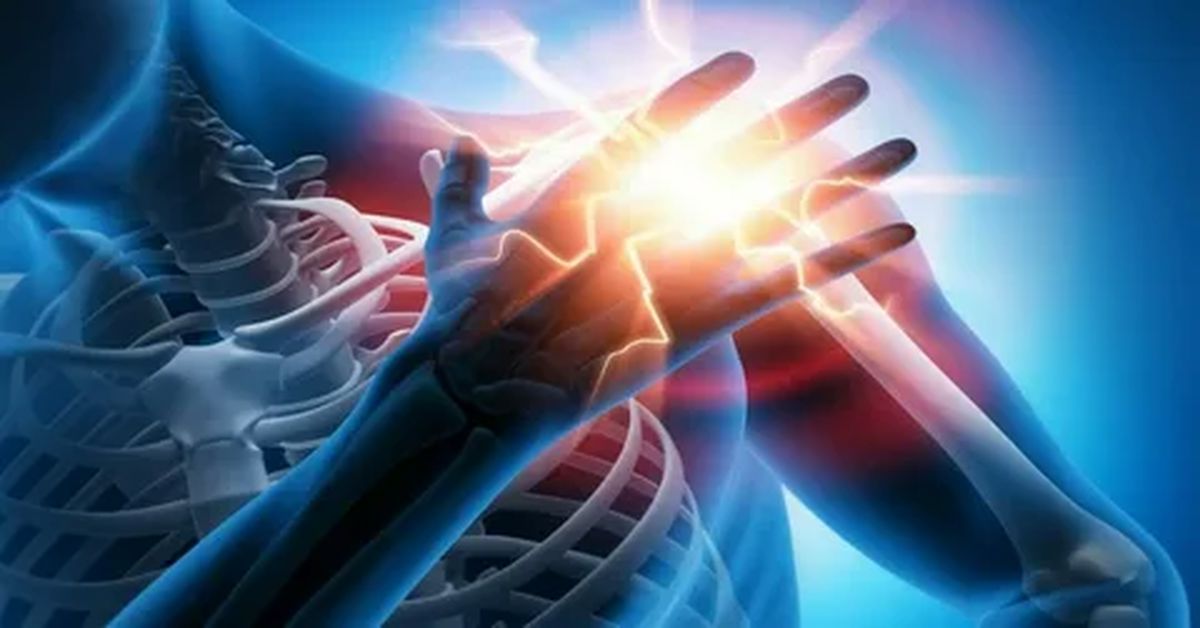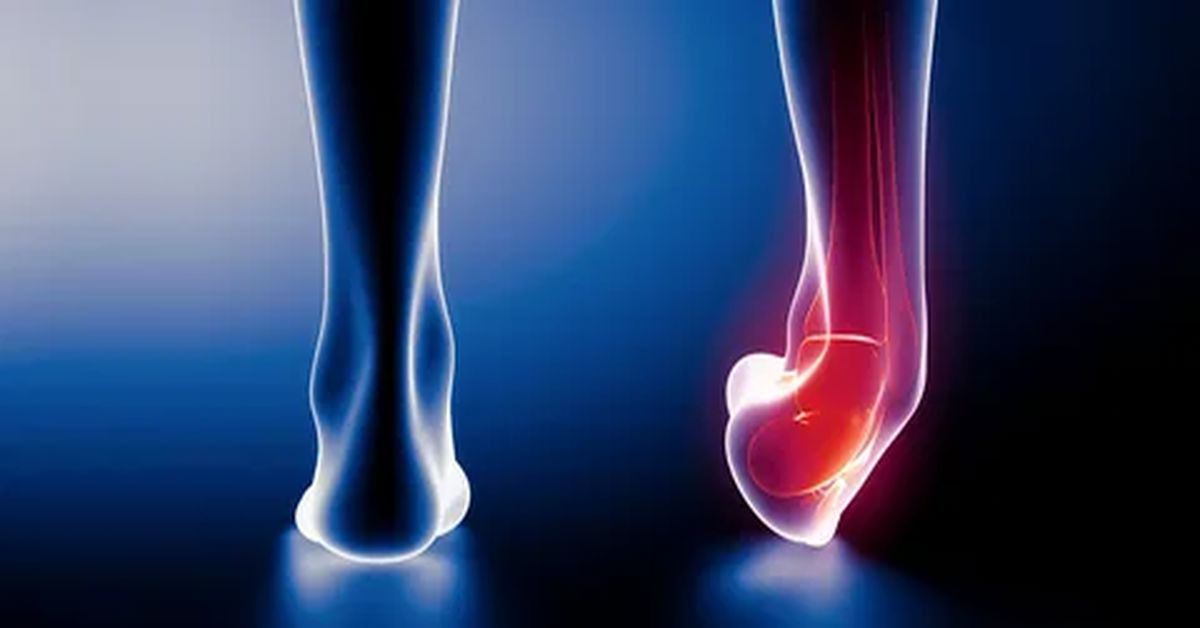
Ankle injury is the stretching or tearing of ligaments supporting a joint due to sudden strain, awkward movement, or trauma. It most often occurs during falls, improper footing, or sudden changes in direction. It most commonly affects the ankle, knee, wrist, and finger joints. Ligaments provide stability to the joint. Damage to these structures makes movement difficult. Pain, swelling, and tenderness may develop. Daily…

Ankle injury is the stretching or tearing of ligaments supporting a joint due to sudden strain, awkward movement, or trauma. It most often occurs during falls, improper footing, or sudden changes in direction. It most commonly affects the ankle, knee, wrist, and finger joints. Ligaments provide stability to the joint. Damage to these structures makes movement difficult. Pain, swelling, and tenderness may develop. Daily activities may be restricted. Therefore... What is a joint sprain? This question implies more than just a simple injury. If not detected early, the recovery period can be prolonged.
What is a Sprain? Symptoms and Causes

Joints are structures that allow bones to move in harmony with each other. They bear significant loads even during everyday activities like walking, running, or taking a simple step. Sudden and uncontrolled movements can strain these structures. In particular, situations like falls or awkward landings can cause stretched connective tissues, leading to pain and limited movement.
at this point joint sprainSprains are one of the most common musculoskeletal problems. A sudden pain is usually felt after a sprain. Swelling may develop quickly. Tenderness increases, and moving the joint becomes difficult. Bruising may occur in some people. The severity of the pain varies depending on the degree of damage to the ligaments. In mild cases, the person can continue walking. In more serious cases, it becomes impossible to put weight on the joint.
Many factors contribute to sprains. Uneven surfaces increase the risk. Inadequate warm-up during sports is a significant factor. Lack of sufficient flexibility in muscles and ligaments leaves joints vulnerable. Choosing inappropriate footwear can also lead to a loss of balance. The ankle, in particular, is frequently affected for this reason.
When the reasons are examined joint sprain This is often a preventable condition. Wearing the right footwear is protective. Warming up before exercise increases the flexibility of the ligaments. Balance and muscle strengthening exercises support joint stability. People who have experienced sprains before have a higher risk of recurrence. Therefore, caution is necessary. Taking early precautions prevents long-term problems. The right approach is fundamental to protecting joint health.
Who is susceptible to joint sprains?
Joints are delicate structures that enable the body to move. Even a simple step in daily life can sometimes lead to unexpected problems. Loss of balance, sudden movements, and uneven surfaces can particularly strain the joints. Therefore, joint injuries can occur in all age groups.
Individuals actively involved in sports are at the highest risk. Sports like running, football, basketball, and tennis involve frequent sudden stops and changes of direction. Exercising without warming up increases the risk. Both professional and amateur athletes can be affected.
at this point joint sprainIt occurs more frequently, especially in the ankle and knee joints. Those who walk on uneven surfaces and wear high heels are at increased risk. Individuals with balance problems are also at increased risk. Those who have previously suffered a similar injury have a higher likelihood of recurrence.
Children and the elderly are also among the groups that require special attention. Children tend to exhibit uncontrolled movements during play. In older individuals, muscle strength and balance decrease. This means that even a simple fall can have serious consequences.
Furthermore, in sedentary individuals, the muscles surrounding the joints weaken. A sudden strain leaves the joint unprotected. Choosing appropriate footwear, regular exercise, and balance exercises reduce the risk. Understanding your body and its limitations are among the most important steps in protecting joint health.
What are the treatment methods for joint sprains?

Sprains are among the most common injuries in daily life. They can occur after a sudden movement, incorrect foot placement, or a fall. The goal of treatment is to control pain and restore the joint's stability. Early and correct intervention significantly shortens the recovery time.
The basis of the treatment joint sprain First aid approaches are included. Rest is the most important part of this process. The strained joint needs to be protected from weight-bearing. Cold application helps reduce swelling and pain. The joint is supported with an elastic bandage or splint. Short-term pain relievers can be used if necessary. These methods may be sufficient, especially in mild to moderate sprains.
Controlled movement is crucial during the recovery process. Prolonged immobility can lead to decreased muscle strength. Therefore, gentle movements are permitted as pain subsides. Daily activities should be resumed slowly and carefully. Sudden strain should be avoided.
Physiotherapy is an important part of treatment. Exercises that strengthen the muscles around the joint are applied. Balance and coordination exercises reduce the risk of re-spraining. Exercises must be planned under the supervision of a specialist. Incorrect movements can delay healing.
More serious ligament injuries may require further investigation. In some cases, injection treatments or long-term supportive equipment may be used. In rare cases, surgical options are considered. The treatment method is determined according to the degree of the sprain.
What is the recovery process like after a sprain?
After treatment is complete, the recovery process must be carefully managed. This period is critical for the joint to regain its former strength and mobility. Mild pain and tenderness may be felt in the first few days. This is often considered normal. However, the pain is expected to gradually decrease. Sudden and strenuous movements should be avoided.
Controlled movement is important in the post-treatment period. Prolonged complete immobility can lead to weakening of the muscles around the joint. Therefore, movement should begin with simple exercises recommended by the doctor. Low-intensity walking and gentle joint movement increase circulation. This supports healing.
Physiotherapy is a crucial part of the process for most patients. Exercises aim to improve joint stability, while also restoring muscle strength and balance. Regular exercise is essential; otherwise, the sprain may recur. This stage is particularly important for athletes.
Returning to daily life should be gradual. Lifting heavy loads or making sudden movements is risky before the pain has completely subsided. Choosing appropriate footwear and using joint-supporting bandages can facilitate the process. Nutrition and adequate water intake also positively affect tissue repair. Sleep patterns should not be neglected.
Once the recovery process is complete, most patients regain their previous freedom of movement. However, a frequently asked question is... What is a joint sprain? The question of how to treat a joint involves not only the moment of injury but also the proper treatment and a conscious healing process. Managing this process correctly ensures the long-term health of the joint and reduces the risk of re-spraining.