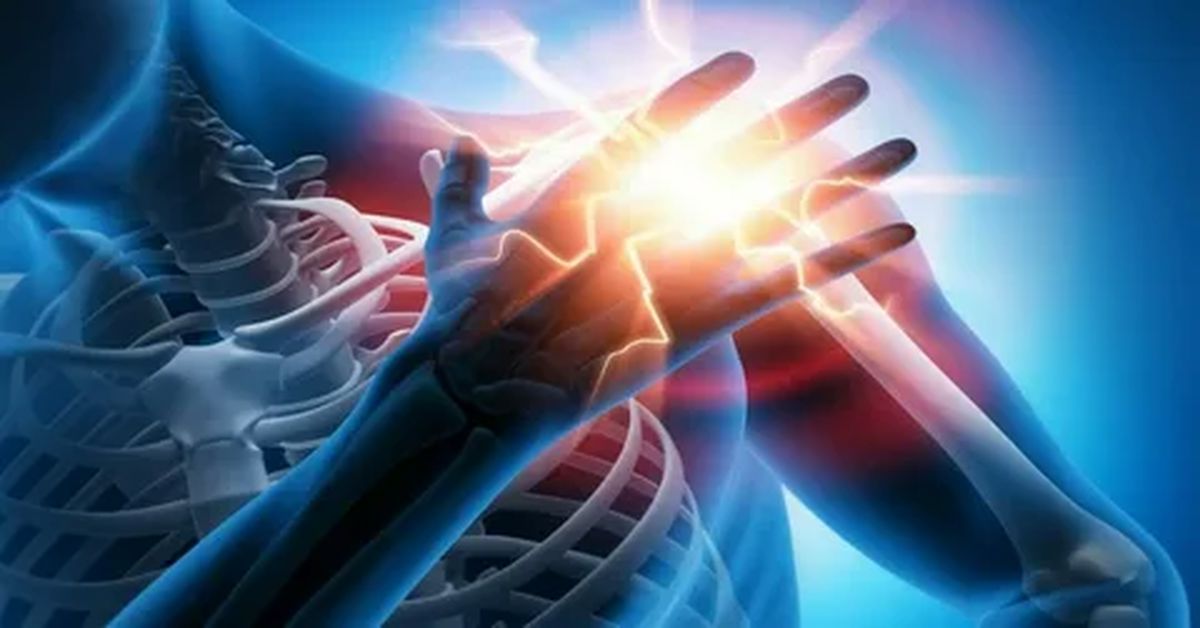
One of the most common joint dislocations is shoulder dislocation. Sports injuries, falls, or blows to the shoulder can cause this condition. A dislocation can occur when the joint is suddenly strained. The treatment for shoulder dislocation is determined according to the type of dislocation and the extent of tissue damage. The patient's ligament and muscle structure also affects the treatment plan. Complete separation of the humerus (upper arm bone) from the joint, severe pain…

One of the most common joint dislocations is shoulder dislocation. Sports injuries, falls, or blows to the shoulder can lead to this condition. A dislocation can occur when the joint is suddenly strained. The procedures to be followed in this process... shoulder dislocation treatmentTreatment is determined by the type of dislocation and the extent of tissue damage. The patient's ligament and muscle structure also influences the treatment plan. Complete separation of the humerus from the joint causes severe pain and significant limitation of movement. Therefore, prompt and accurate intervention is of great importance.
Who is a suitable candidate for shoulder dislocation treatment?

A shoulder dislocation occurs when the joint dislocates due to a sudden strain. This condition leads to pain, limited range of motion, and loss of confidence in the shoulder. Determining who is a suitable candidate for treatment depends on the patient's age, the severity of the injury, and the structure of the joint. Therefore, the evaluation process should be carried out carefully.
People who experience a shoulder dislocation for the first time usually shoulder dislocation treatment This is suitable for this purpose. In these patients, the tissues surrounding the joint are largely preserved. With the right intervention, shoulder stability can be restored. Early treatment is even more important for individuals who frequently use their arm in daily life, participate in active sports, or work in heavy industries. Because if the joint is not strengthened, the likelihood of recurrence of the dislocation increases.
Individuals experiencing recurrent dislocations also constitute a significant portion of this treatment group. These patients may have weakened ligaments or damaged articular cartilage called the labrum. This weakens the shoulder and increases the risk of dislocation during movement. Regular physical therapy and muscle strengthening exercises can make the joint more stable. Imaging techniques can also be used when necessary. This allows the individual to return to daily activities more confidently.
Surgical options are also available for some patients. shoulder dislocation treatment This is evaluated within the scope of surgical repair. Surgical repair may be necessary, especially in cases of frequently recurring dislocations. This procedure can also be applied in cases of severe ligament injuries or labrum tears. Arthroscopic surgery provides stability while preserving the natural structure of the shoulder. With rehabilitation after treatment, shoulder function is largely restored. This process helps the patient return to their sports and work life more confidently.
In what situations is shoulder dislocation treatment used?
Shoulder dislocation occurs when the joint dislocates due to a sudden movement, impact, or intense strain. This leads to damage to the muscles and ligaments surrounding the shoulder. The patient experiences severe pain, significant deformity of the shoulder, and limited range of motion. The choice of treatment depends on the location of the dislocation, the level of tissue damage, and the individual's joint structure. Therefore, initial assessment is crucial.
Treatment is planned quickly, especially in dislocations that occur after trauma. If the joint is not reduced, additional strain can occur in the muscles. This both increases pain and can lead to recurrent dislocations in the future. Medical evaluation is essential for dislocations resulting from sports injuries, falls, and blows to the shoulder. The same is true for dislocations that occur after uncontrolled movements. In some individuals, dislocations occur more easily due to laxity in the joint structure. In these patients, the correct intervention and rehabilitation process greatly reduces the risk of recurrence.
In patients with recurrent dislocation complaints shoulder dislocation treatment A more comprehensive approach is required. Ligament laxity, labrum tear, or structural problems that impair joint stability may occur. In this case, closed insertion alone may not be sufficient.
Physiotherapy, including programs that strengthen muscles and improve range of motion, is an important part of treatment. Surgical methods are considered for individuals with advanced tissue damage. Arthroscopic surgery restores joint stability, helping to allow for safer use of the shoulder. Regular follow-up and rehabilitation after treatment enable the patient to return to daily life more easily.
What are the treatment methods for shoulder dislocation?

Shoulder dislocation occurs when the joint dislocates due to sudden strain, impact, or uncontrolled movement. This condition leads to pain, limited range of motion, and significant loss of function in the shoulder. Treatment methods are determined based on the severity of the dislocation, any accompanying tissue damage, and the patient's age. Therefore, accurate assessment is the fundamental step in treatment.
The first approach is to safely reposition the joint. This procedure is called "closed reduction" and must be performed under expert supervision. Early intervention reduces damage to the tissues surrounding the joint. Protecting the shoulder after the reduction procedure is important for a healthy healing process. The procedures applied at this stage... shoulder dislocation treatmentTreatment includes sling use, rest, and pain control.
The second stage of treatment is rehabilitation. Physical therapy plays a fundamental role in strengthening shoulder muscles and increasing joint stability. Personalized exercise programs restore shoulder flexibility and control of movement. Regularly performed programs reduce the risk of recurrent dislocations.
Surgical methods are considered for patients with tissue damage or dislocation problems. Arthroscopic surgery allows for the repair of ligaments and the labrum. This method restores joint stability. Post-surgical physical therapy increases shoulder strength and range of motion. With a properly planned treatment process, the shoulder largely regains its former function, and the patient returns to daily life more comfortably.
What is the recovery process like after shoulder dislocation treatment?
The recovery process after a shoulder dislocation varies depending on the treatment method used and the patient's joint structure. After the dislocation is reduced, the shoulder is kept immobilized for a period of time. This period is necessary for tissue healing. The use of a sling or shoulder bandage reduces the load on the joint and supports healing. It is important for the patient to avoid sudden movements during this phase.
A crucial part of the recovery process begins with physical therapy. Rehabilitation helps the shoulder regain strength. The exercises performed increase joint stability and restore the range of motion of the shoulder. Working the shoulder muscles in a balanced way during this period reduces the risk of recurrent dislocations. Regularly followed programs ensure a safer and more controlled recovery.
After treatment, some patients may experience continued tenderness around the joint. Weakness or limited range of motion may also occur. In this case, strengthening and stretching exercises directed by a physiotherapist are performed. If necessary, imaging methods are used to assess the stability of the shoulder. It is important for the patient to use their shoulder carefully during daily activities. They should also avoid movements that could disrupt the healing process. This approach supports the shoulder in achieving a more stable structure.
In patients who have undergone surgery, the process progresses more controllably. Post-surgical rehabilitation is a fundamental step. This process is necessary for the shoulder to regain safe movement. The exercises performed during this phase increase the strength and endurance of the joint. When the correct steps are followed throughout the entire process... shoulder dislocation treatment It provides lasting results. Thus, patients return to their daily lives with more confidence and largely regain their shoulder function.