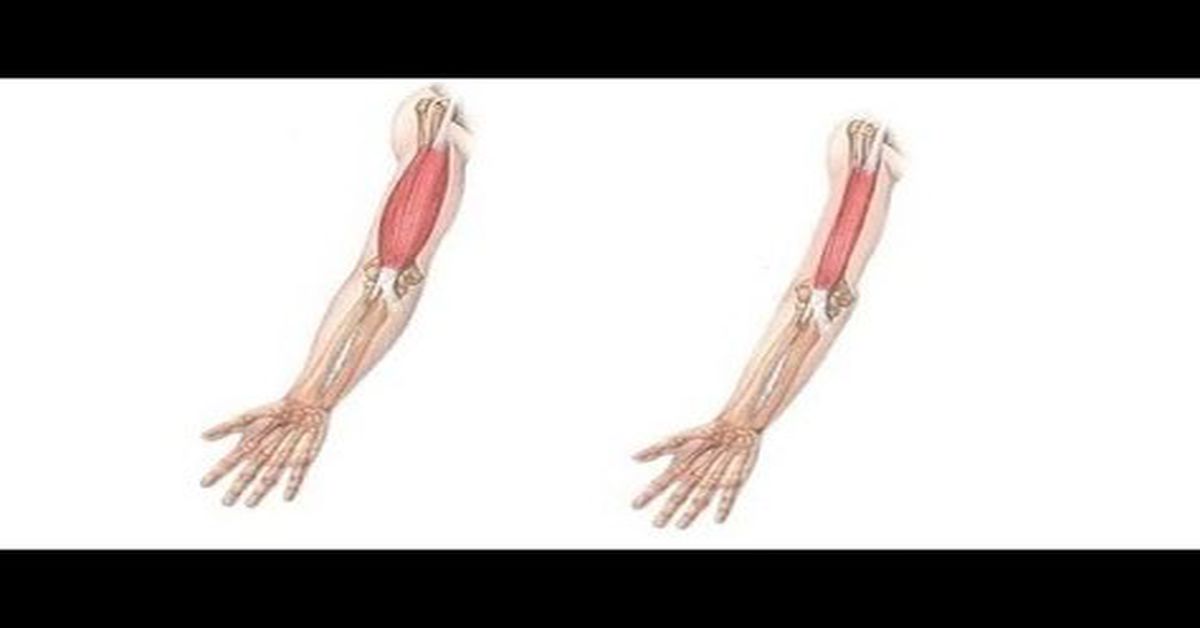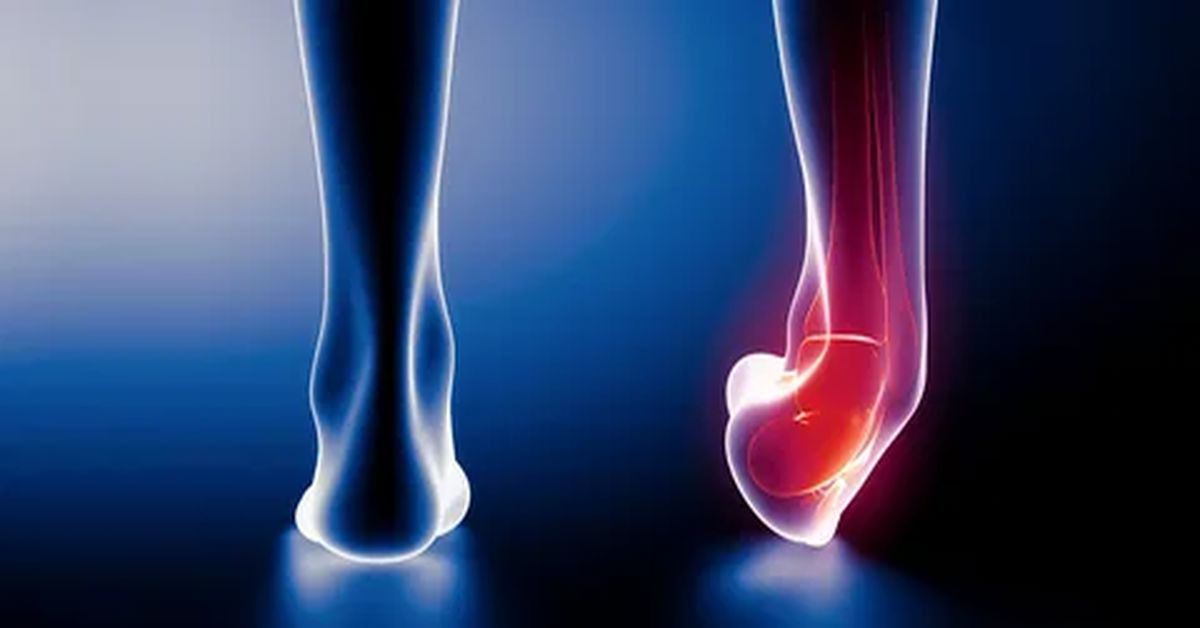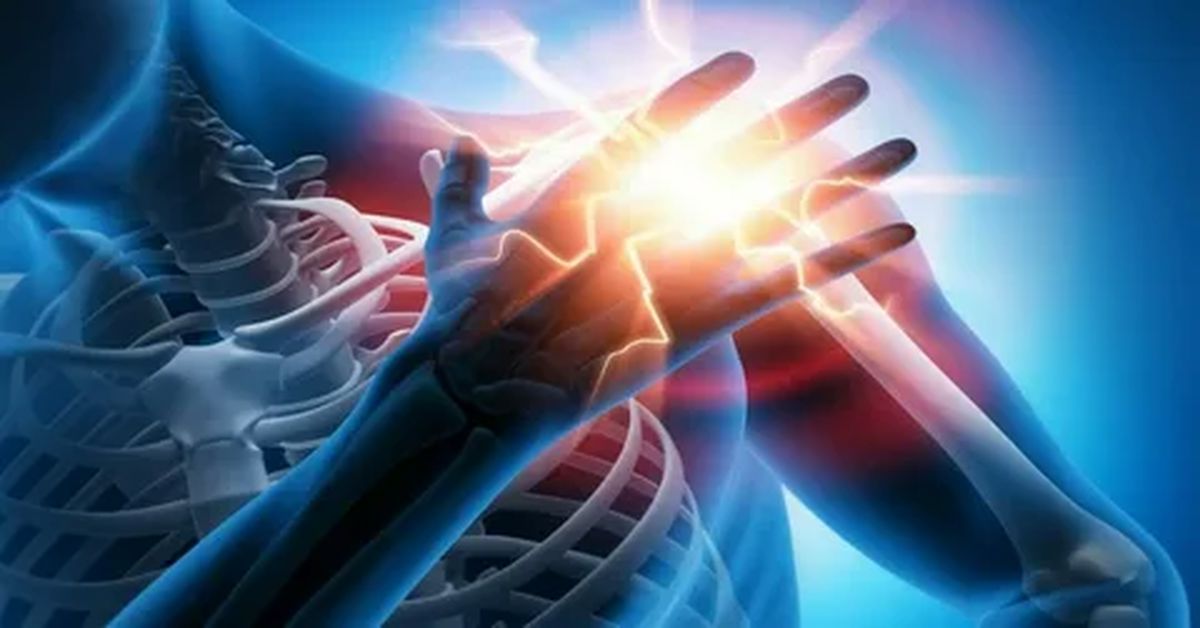
It is a condition in which the joint surfaces where two bones are connected separate from their normal alignment. This is the most basic answer to the question "What is a joint dislocation?". This separation disrupts the natural range of motion of the joint and causes severe pain. It usually occurs as a result of sudden trauma, a fall, a blow, or excessive force applied to the joint. What is a Joint Dislocation? Symptoms and Causes. Joint structures are part of the body's...

It is a condition in which the joint surfaces where two bones are connected deviate from their normal alignment. This condition What is a dislocated joint? This is the most basic answer to the question. This separation disrupts the natural range of motion of the joint and causes severe pain. It usually occurs as a result of sudden trauma, a fall, a blow, or excessive force applied to the joint.
What is Joint Dislocation? Symptoms and Causes

Joints are fundamental connections that enable the body's freedom of movement. These structures perform their functions through the harmonious working of bone, ligaments, capsule, and surrounding tissues. Sudden impacts or excessive force can disrupt this harmony. In such cases, severe pain, limited movement, or deformity may occur in the joint area. These symptoms may indicate a serious injury and require prompt evaluation.
Pain, deformity, and immobility resulting from trauma are often the symptoms. joint dislocation This raises suspicion. In this case, the bone separates from the joint socket, leading to damage to the surrounding ligaments and capsule. The patient usually cannot move the joint, and even slight contact can increase the pain. Swelling, bruising, and tenderness are common. Early detection of these symptoms ensures timely initiation of the correct treatment.
Many factors contribute to this condition. Falls, impacts, and blows sustained during sports are among the most common causes. Highly mobile joints, such as the shoulder and elbow, are particularly susceptible to these injuries. In some individuals, loose joint structures also increase the risk. Both the severity of the impact and the structural characteristics of the joint affect the extent of the damage.
With accurate diagnosis and treatment, the recovery process can be managed successfully. X-rays and physical examination play a crucial role in understanding the extent of the injury. The first step is the controlled repositioning of the joint. This procedure must be performed by a specialist physician. Rest, ice application, and rehabilitation are then recommended. This entire process... joint dislocation This is necessary for the joint to regain stability and for preventing long-term problems.
Who is susceptible to joint dislocation?
Joints are fundamental connections that enable the body's mobility. These structures function through the harmonious work of muscles, ligaments, and capsule tissue. However, some individuals have more sensitive joints and are more susceptible to injury. Age, physical activity, and individual anatomical characteristics can increase this susceptibility. Therefore, not everyone carries the same level of risk.
Certain age groups, particularly children and young adults, are more susceptible to joint injuries because physical activity is more intense during these periods. Individuals who participate in sports are also at high risk. Sports involving contact or sudden movements increase the likelihood of injury. Therefore, athletes should take extra precautions for joint safety.
One of the injuries that can occur in situations where the risk is high is... joint dislocation This is a problem. Individuals with loose joints are at higher risk. Those with genetically weak connective tissue are more easily injured even by minor impacts. The risk also increases in occupational groups exposed to repetitive trauma. Similar injuries may occur more frequently in older adults due to weakening of bone and connective tissue. Therefore, it is important to be aware of personal risk factors.
Understanding who might develop this condition is valuable for taking preventative steps. Regular exercise, muscle strengthening, and sports activities performed with proper techniques provide a protective effect. Being careful in daily life also reduces the likelihood of injury. Seeking medical attention in case of suspicion allows for early intervention. This protects joint structures and prevents long-term complications. Knowing one's own risk level is crucial for a healthy musculoskeletal system.
What are the treatment methods for joint dislocation?

Joint injuries are problems that require prompt intervention because they cause limited movement and pain. Swelling, tenderness, and deformities following trauma are important in determining the correct treatment. The goal of treatment is to safely restore the joint structure to its original state and support the healing of the tissues in the area. Expert evaluation is crucial in this process.
This is one of the conditions in which the bone separates from the joint socket. joint dislocationTreatment requires a delicate approach. First, the joint needs to be repositioned in a controlled manner. This procedure must be performed by a physician, as incorrect intervention can damage the joint. After repositioning, the joint is immobilized for a short period. This provides suitable conditions for tissue healing. This step forms the basis of the treatment.
In some cases, there may be tears or serious damage to the ligaments surrounding the joint. Surgery may be necessary in such injuries. Surgery is performed to restore joint stability. The recovery process after surgery varies from person to person. It is important to follow the rest and care plan recommended by your doctor. The healing process requires more careful management, especially in weight-bearing joints.
Physical therapy is one of the complementary steps in treatment. Regular exercise is necessary to strengthen muscles and maintain joint range of motion. Appropriate rehabilitation helps the joint regain its stability. This process ensures lasting recovery and reduces the risk of re-injury. Correct treatment and regular care are crucial for a healthy and safe musculoskeletal system in the long term.
What is the recovery process like after treatment for joint dislocation?
Joint injuries are problems that directly affect daily life. Pain, swelling, and limited movement that occur after sudden trauma reduce a person's quality of life. Early diagnosis is important in such injuries. Correct intervention ensures the protection of joint structures and shortens the healing time. Restoring the joint's strength after treatment depends on a planned follow-up process.
The first step in treatment is to return the joint to its correct position. This procedure should be performed by a specialist physician, as incorrect intervention can damage the joint structure. Short-term immobilization is applied after repositioning. This is the time necessary for tissue healing. Some patients may experience significant ligament damage, in which case surgery may be required. The choice of treatment depends on the severity of the injury.
Physical therapy plays a crucial role in the post-treatment process. Strengthening the muscles around the joint is essential because a strong muscle structure supports the joint and reduces the risk of re-injury. The rehabilitation program aims to restore the range of motion of the joint. Regular exercise and controlled weight-bearing are key stages of recovery. The patient's adherence to the doctor's recommendations throughout the process accelerates the healing process.
Once all treatment phases are completed, the patient can regain stability with regular follow-up and appropriate exercises. Early intervention and a correct treatment plan are crucial in this process. A disciplined approach to rehabilitation supports recovery. Patients seeking a successful outcome should carefully monitor each step of the process. This approach is essential for long-term comfort and safe movement. What is a dislocated joint? This is one of the most effective answers to the question of how to proceed with treatment.