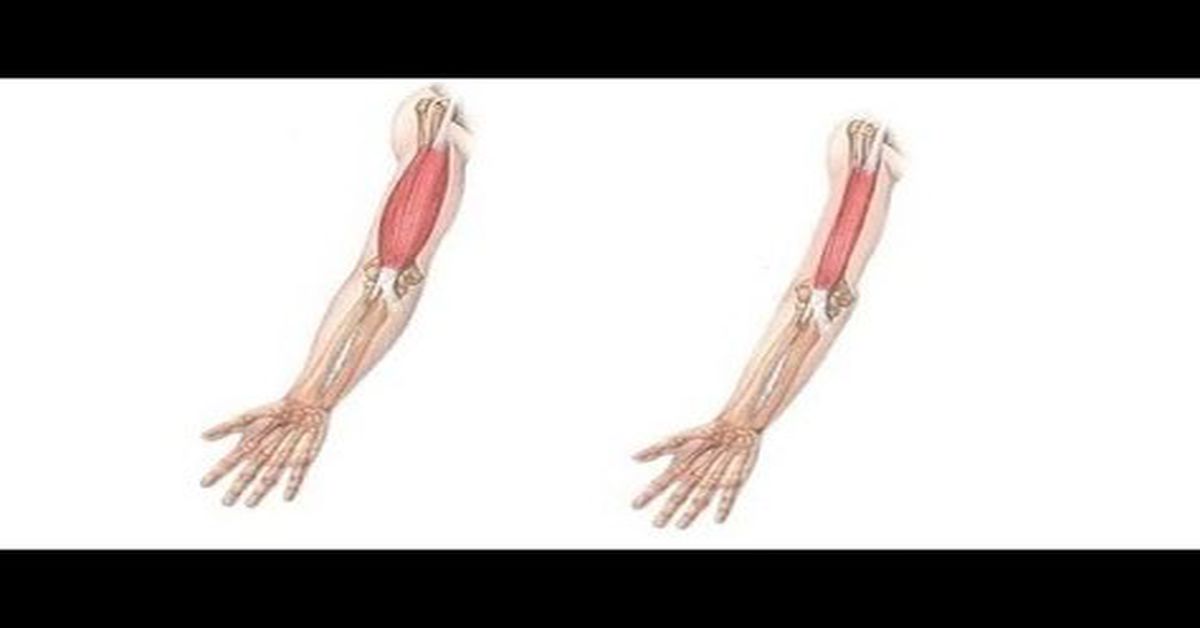
Nerve damage occurs when nerve tissue is damaged. This can manifest as pain and numbness. Loss of movement may occur in some cases. A tingling sensation is a common symptom. Nerve damage can make daily life difficult. Early diagnosis facilitates the treatment process. Recovery can be supported with appropriate treatment. What are the Symptoms of Nerve Damage? Nerve damage can manifest in different ways in the body. The most common…

Damage occurs when nerve tissue is injured. This can manifest as pain and numbness. Loss of movement may occur in some cases. A tingling sensation is a common symptom. Nerve damage It can make daily life difficult. Early diagnosis facilitates the treatment process. With appropriate treatment, recovery can be supported.
What are the symptoms of nerve damage?
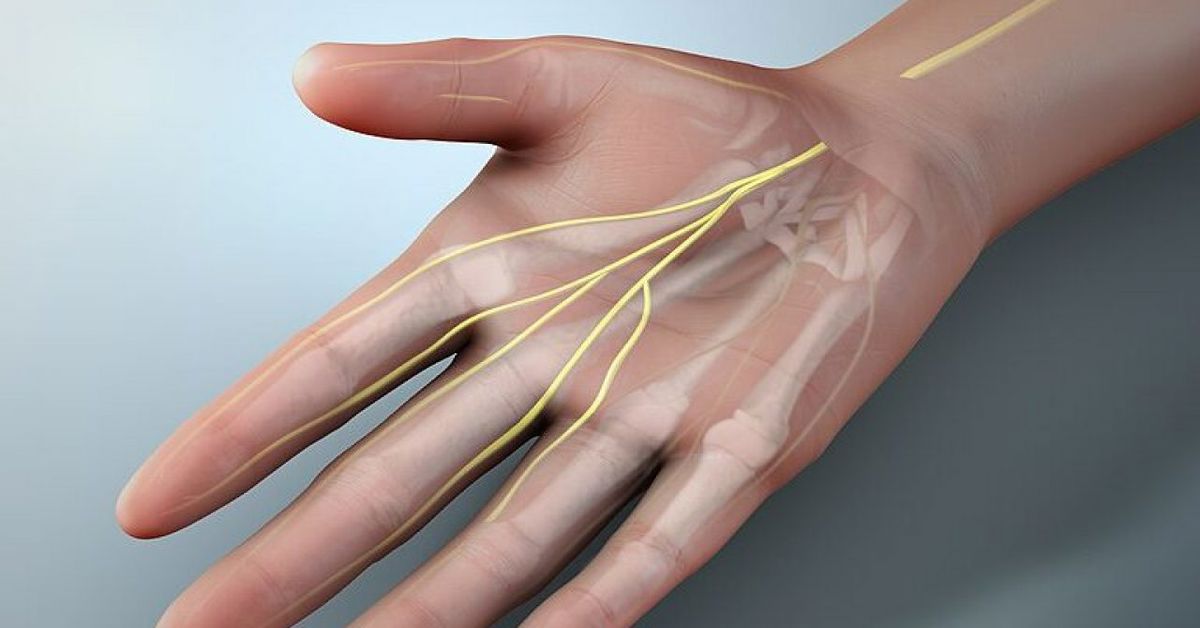
Nerve damage can manifest with various symptoms throughout the body. The most common is numbness, which usually begins in the hands and feet and may spread over time. A tingling sensation is also common, often accompanied by a pins-and-needles feeling. These symptoms can make daily life difficult. Early detection is crucial for better management. Mild pain may also be present in some cases.
Nerve damage It can also manifest as pain. This pain is sometimes sharp. In some cases, it is felt as a burning sensation. It may increase during movement. Muscle weakness may occur. This makes daily activities difficult. Reduced reflexes may be observed. This becomes particularly noticeable in advanced cases. Careful attention should be paid during this process. Early diagnosis facilitates the treatment process.
Sensory loss is one of the important symptoms. The person may have difficulty perceiving the difference between hot and cold. The sense of touch may decrease. This increases the risk of injury. Coordination problems may also occur. Loss of balance may be experienced. These symptoms negatively affect the quality of life. If they persist for a long time, they should be evaluated. Caution should be exercised in daily life.
In advanced cases nerve damage It can manifest with more serious symptoms. Muscle atrophy may occur. Movement limitations may increase. Daily living activities become difficult. Severe pain may develop. This reduces the person's quality of life. Early intervention is of great importance. With appropriate treatment, the process can be brought under control. Regular follow-up supports recovery.
Who gets nerve damage?
Nerve damage can occur in all age groups. However, some individuals are at higher risk. Those who have experienced trauma are particularly affected. Accidents such as falls and impacts can lead to nerve damage. Sports injuries are also a significant risk factor; in such cases, nerves can be directly damaged. Early intervention can prevent the damage from progressing.
Individuals with chronic illnesses also have an increased risk. Diabetes is one of the most significant factors in this regard. Prolonged high blood sugar levels can damage nerves, eventually leading to loss of sensation. Circulatory problems can also affect the process. Vitamin deficiencies negatively impact nerve health, with B vitamins being particularly important.
In some occupational groups nerve damage It occurs more frequently. People who repeat the same movement for a long time are at risk. Office workers and individuals who use computers constantly are examples of this. Pressure can build up in the hand and wrist area. This causes nerve compression. Pain and numbness may develop over time. Ergonomic work arrangements can reduce this risk.
People who undergo surgery are also at risk of nerve damage. Nerves can be affected during surgical procedures. This can be temporary or permanent. Poor posture habits can also strain the nerves. Prolonged immobility has a negative impact. Therefore, regular exercise is important. Healthy lifestyle habits protect nerve health.
What are the treatment methods for nerve damage?
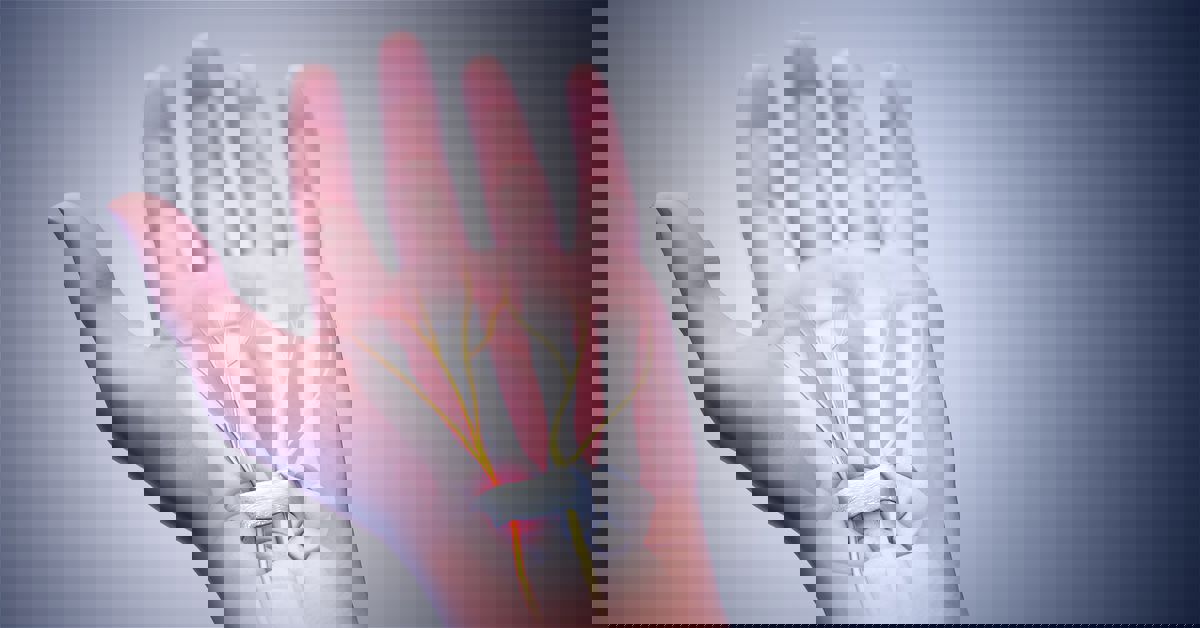
The first step in treating nerve damage is accurate diagnosis. Symptoms must be carefully evaluated. The location and extent of the damage are determined. Physical examination plays a crucial role in this process. Further tests are performed when necessary. Early diagnosis facilitates the treatment process, thus reducing the risk of permanent damage. The treatment plan is tailored to the individual patient.
Drug treatment nerve damage Treatment is applied to control the condition. Pain relievers alleviate symptoms. Medications that support nerve repair may be preferred. In some cases, vitamin supplements are recommended. B vitamins are particularly important. Regular use contributes to the treatment process. It is necessary to proceed under the supervision of a doctor. This ensures a safer process.
Physical therapy methods are another frequently used option. Exercise programs increase muscle strength and support nerve regeneration. Mobility improves over time. Patience is important in this process. Regular application yields positive results. Manual therapy methods can also be used. These methods support circulation.
In advanced cases, surgical treatment may be considered. Pressure on the nerve is relieved, and damaged tissues can be repaired. This reduces functional loss. Post-surgical rehabilitation is important, and regular follow-up is crucial. Adherence to the treatment plan increases success. Early intervention accelerates the recovery process.
What is the recovery process like after nerve injury treatment?
The post-treatment recovery process varies depending on the patient's condition. Mild pain may persist in the first few days, but this is usually temporary. Rest is crucial; the body needs time to recover. Daily activities should be performed cautiously, and sudden movements should be avoided. Patience is essential during this process.
If medication is ongoing, regular use is important. The plan recommended by the doctor should be followed. Stopping medication early can negatively affect the process. Therefore, adherence to treatment is crucial. Physical therapy exercises should also not be neglected. These exercises support muscle strength and increase mobility. Regular practice accelerates recovery.
Daily lifestyle habits also play an important role in this process. A balanced diet supports nerve repair. Foods rich in vitamins should be preferred, especially B vitamins. Attention should be paid to sleep patterns. The body regenerates itself during rest. Stress management also positively affects the process. Therefore, relaxing activities are recommended.
Throughout this process nerve damage Measures should be taken to prevent recurrence. Heavy lifting should be avoided. Remaining in the same position for long periods is not recommended. Ergonomic work habits should be adopted. Regular exercise is important. Doctor check-ups should not be neglected.