It is a condition that arises as a result of the body not being properly aligned. The human body must maintain a certain balance. This balance is achieved by the harmonious functioning of the spine, muscles, joints, and nervous system. However, when this balance is disrupted, postural disorders occur. Postural disorders can affect both physical health and cause serious discomfort in daily life. Symptoms and... of Postural Disorders

It is a condition that occurs when the body is not aligned correctly. The human body must maintain a certain balance. This balance is achieved by the spine, muscles, joints and nervous system working in harmony. However, when this balance is disrupted, posture disorders occur. Poor postureIt can affect both physical health and cause serious discomfort in daily life.
Symptoms and Causes of Posture Disorders
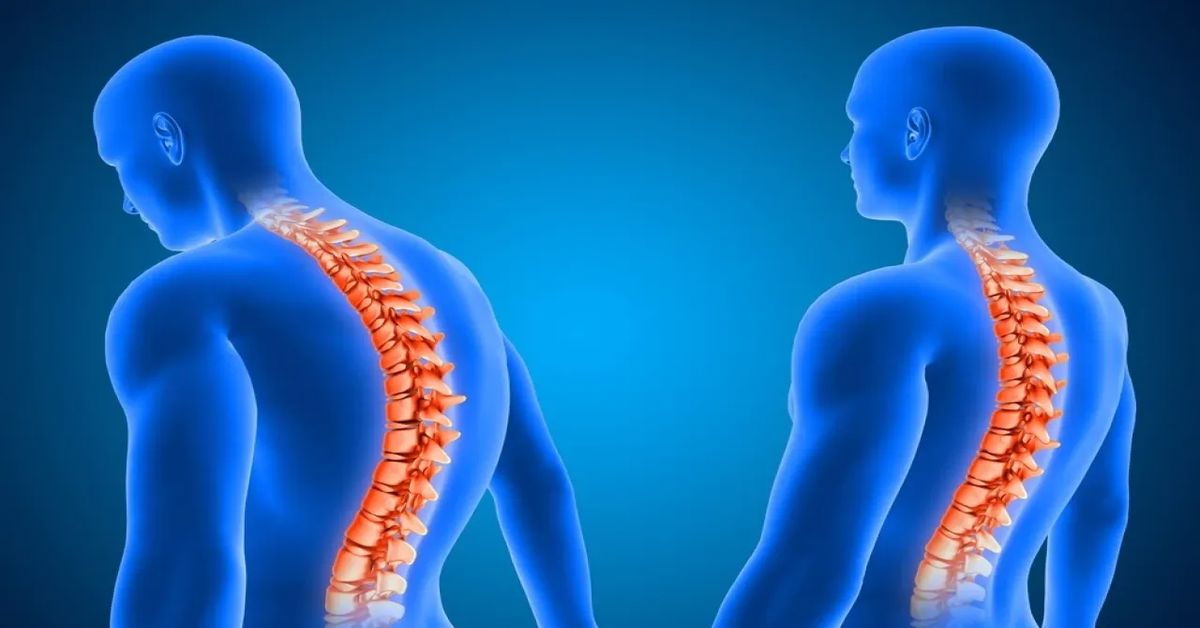
Posture is formed by the harmonious functioning of the spine and muscles. Daily lifestyle habits directly affect this balance. Working at a desk for long periods poses a risk. Increased use of phones and computers causes the head to tilt forward. A sedentary lifestyle weakens muscles. Incorrect sitting and standing positions create problems over time. Symptoms detected early are easier to correct.
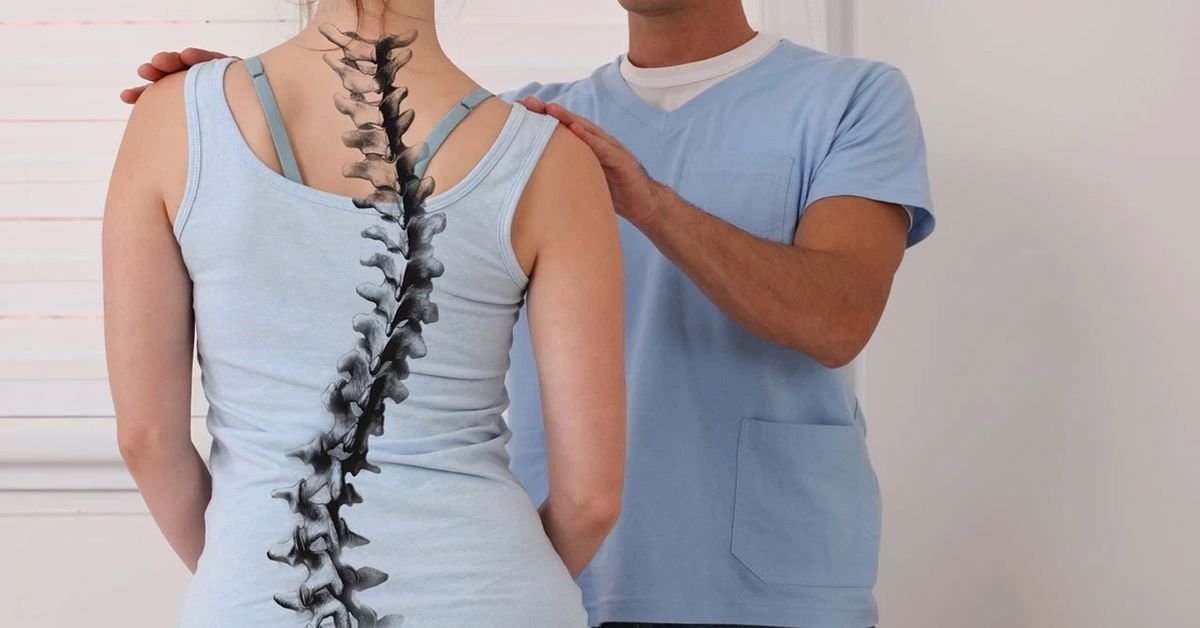
One of the most common problems postural disorder This is a developmental characteristic. A drooping of the shoulders is noticeable. The head may tilt forward. A hunchback may develop in the upper back. The curve of the lower back may increase or decrease. Pain may be felt after standing for long periods. Neck and back pain may also occur. The person may feel tired more easily.
Muscle imbalance is a significant cause. Weak back and abdominal muscles cannot adequately support the spine. Excess weight puts too much strain on the spine. Insufficient exercise habits worsen the condition. Choosing the wrong shoes can also disrupt the balance. Using heavy bags during childhood increases the risk. Remaining in the same position for long periods strains the muscles. Even psychological factors can cause the shoulders to hunch forward.
Progressing over time postural disorder It can lead to chronic pain. Movement restrictions may develop. Even respiratory capacity may be affected. Difficulty with daily activities may occur. Exercise and physical therapy are recommended in the early stages. Correct sitting and standing habits should be established. With regular check-ups and conscious lifestyle changes, the problem can be largely controlled.
Who is susceptible to posture problems?
Poor posture can occur in all age groups. However, some individuals are at higher risk. It is common in people who work at a desk for long periods. The risk increases with increased computer and phone use. A sedentary lifestyle weakens muscles. Incorrect sitting habits can become permanent over time. Poor posture that begins at a young age becomes more pronounced in later years.
Students are also a significant risk group. Carrying heavy school bags puts strain on the spine. Rapid height growth during adolescence can affect muscle balance. In children who do not participate in sports, back and abdominal muscles do not develop sufficiently. Prolonged tablet or phone use causes the head to tilt forward. This increases neck and back pain. Using the wrong desk height while studying also exacerbates the problem.
This problem is more common in sedentary adults. Remaining stationary for long periods in an office environment puts strain on the spine. Choosing the wrong chair and desk disrupts balance. Excess weight puts extra pressure on the spine. During pregnancy, the body's center of gravity changes. This can affect the lower back and upper back. All these factors can contribute to this problem over time. postural disorder It can lead to its development.
Muscle loss and bone loss in old age affect posture. Osteoporosis can weaken the spinal structure. Even psychological factors can lead to the shoulders hunching forward. Lack of self-confidence and stress can affect posture. People who do not exercise regularly are at greater risk. Problems detected early are easier to correct. Spinal health can be protected in the long term with conscious lifestyle habits.
What are the treatment methods for posture disorders?
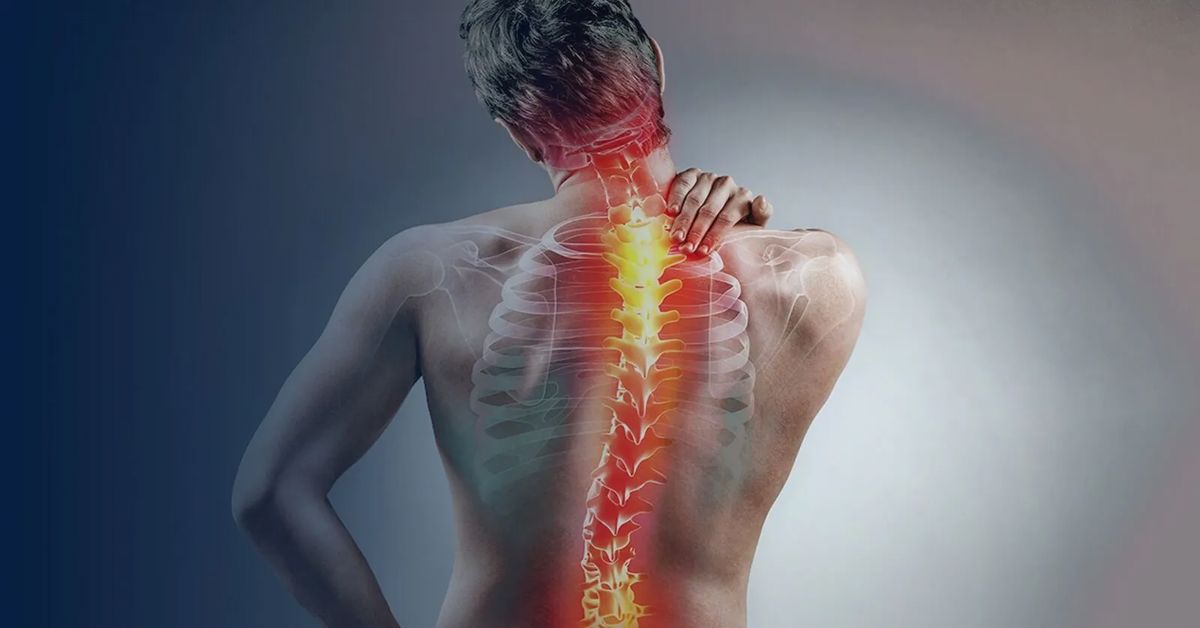
Treatment for postural disorders is planned according to the severity and cause of the problem. First, a detailed physical examination is performed. The spinal structure and muscle balance are evaluated. Daily lifestyle habits are inquired about. The work environment and sitting arrangement are examined. Problems detected early are corrected more quickly. The goal is to align the spine correctly and restore muscle balance. The treatment process is tailored to the individual.
In advanced cases postural disorder A physical therapy program is implemented. This program focuses on strengthening muscles, particularly back, abdominal, and shoulder muscles. Stretching exercises reduce muscle shortness. Manual therapy methods may be applied. Posture training helps patients develop correct posture habits. Regular exercise is the most important part of the process. Patient compliance directly affects success.
Ergonomic adjustments are a fundamental step in treatment. Desk and chair heights should be adjusted correctly. The computer screen should be at eye level. Avoid remaining in the same position for long periods. Take short breaks every hour. Choosing the right shoes supports spinal health. Correcting daily lifestyle habits leads to lasting results.
If there is severe spinal curvature, different methods may be considered. Brace use is recommended for some patients. In rare cases, surgical intervention may be planned. However, in most cases, exercise and conscious posture training are sufficient. The goal is to reduce pain and protect spinal health. Long-term improvement can be achieved with regular follow-up and disciplined application.
What is the recovery process like after postural disorder treatment?
The recovery process after postural correction treatment requires regular follow-up and discipline. Adherence to the exercise program is crucial in the first few weeks. Muscles begin to adapt to the new alignment. Mild muscle soreness may occur during this period. The pain is usually temporary and decreases over time. Correct posture habits don't develop overnight. Patience and consistency are necessary.
Daily life after treatment must be reviewed. The work environment should be made ergonomic. Desk and chair height should be appropriate for body measurements. The computer screen should be positioned at eye level. Avoid remaining in a fixed position for long periods. Take short breaks every hour. Avoid tilting your head forward while using the phone.
The exercise program should not be interrupted. Exercises that strengthen the back, shoulder, and abdominal muscles should be performed regularly. Stretching exercises maintain muscle balance. Sports such as swimming and Pilates can be supportive. If there is excess weight, it should be brought under control. Regular check-up appointments should not be neglected. Small problems detected early can be easily corrected.
Maintaining good habits is important in the long run. A conscious approach in daily life is crucial. Otherwise... postural disorder It can recur. Regular exercise and ergonomic adjustments support lasting improvement. A healthy lifestyle strengthens spinal health. With proper monitoring and discipline, a balanced, pain-free, and healthy posture can be maintained for many years.