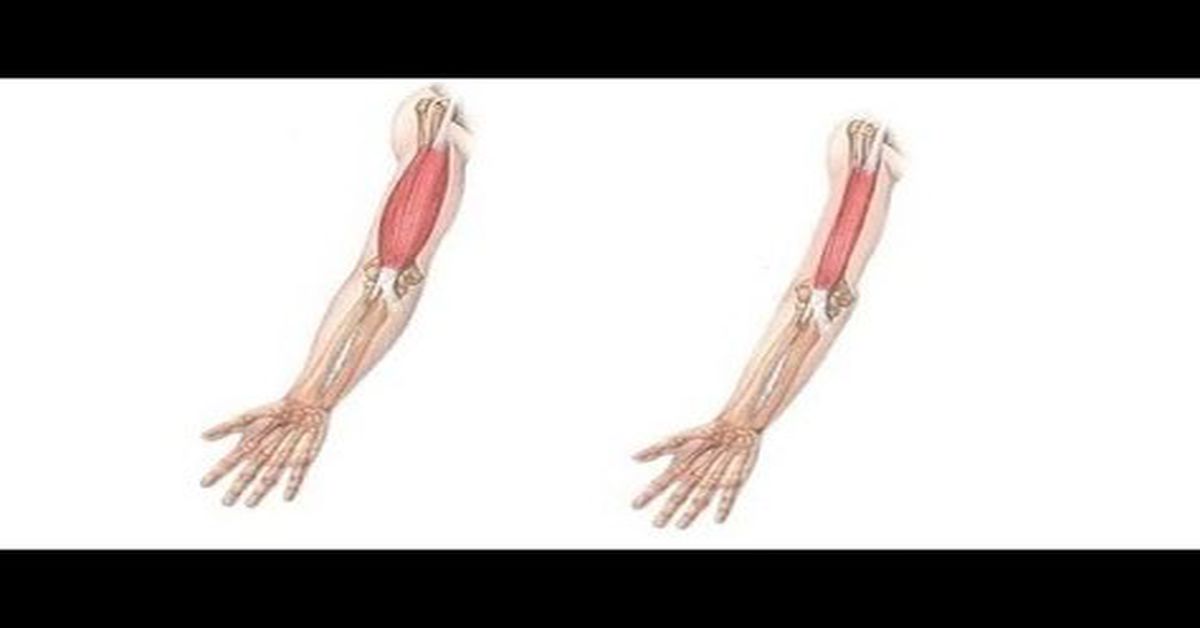
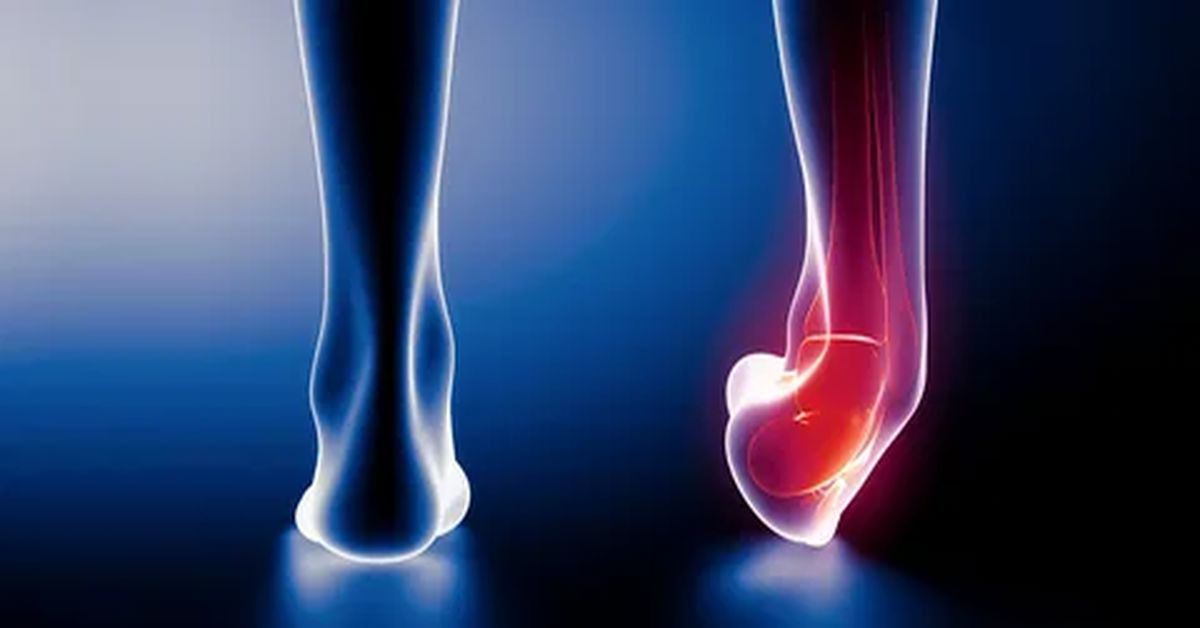
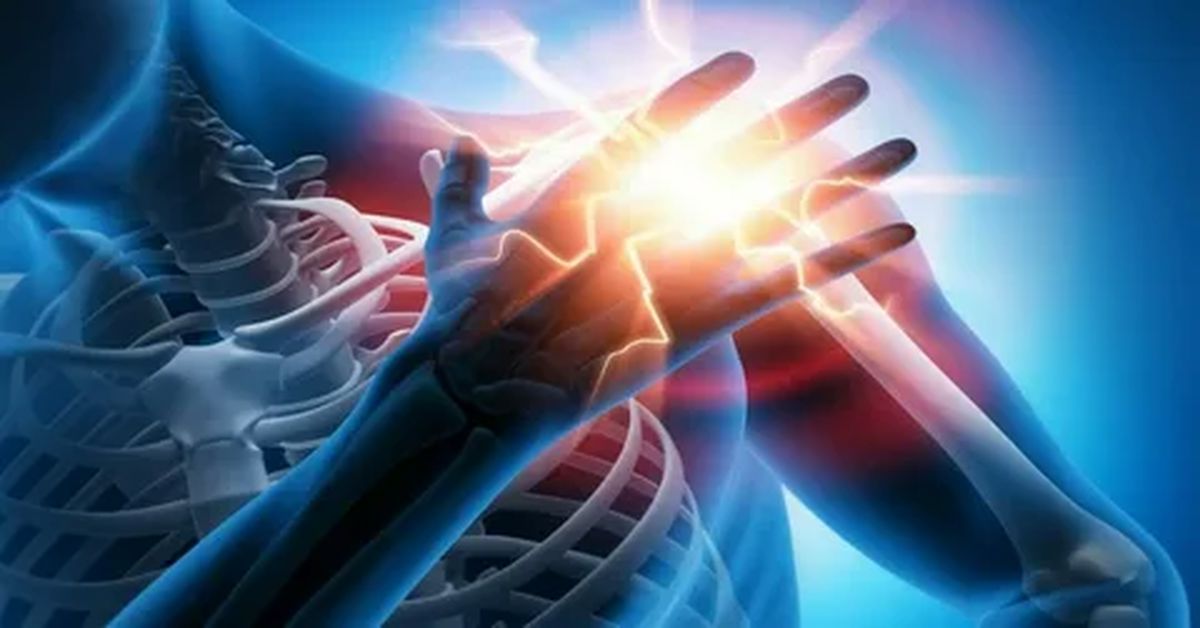
A joint sprain is the strain or tearing of the ligaments surrounding the joint. Joint sprains usually occur with sudden movement. Falls or sprains can be the cause. They most commonly occur in the ankle, knee, and wrist. Symptoms include swelling, pain, and limited range of motion. They can be mild, moderate, or severe. Treatment involves rest, ice, and bandaging. Physical therapy is applied if necessary. What are the Symptoms of a Joint Sprain? Pain, ...

It is the strain or tearing of the ligaments surrounding the joint. Joint sprain, It usually occurs with sudden movement. Falls or sprains can be the cause. It most commonly affects the ankle, knee, and wrist. Symptoms include swelling, pain, and limited range of motion. It can be mild, moderate, or severe. Treatment involves rest, ice, and bandaging. Physical therapy is applied if necessary.
What are the symptoms of a joint sprain?

Pain is the most common symptom. It usually begins immediately after a sprain. The pain may intensify when attempting to move the joint. While pain may be short-lived in mild sprains, it can be prolonged in severe sprains. Edema occurs in the area after a sprain. This happens due to fluid accumulation in the tissues. Swelling usually becomes noticeable within a few hours and is tender when pressure is applied.
Damage to blood vessels can cause blood to pool under the skin. This appears as bruising or a bluish-purple discoloration. The bruise may change color to yellow within a few days. Pain and swelling in the sprained joint reduce the ability to move.
Everyday movements, especially walking, lifting an arm, or moving the wrist, may become difficult. An inflammatory process begins in the sprained area. Therefore, there may be increased warmth and redness on the skin surface. These symptoms are usually accompanied by swelling.
This sound may indicate that the connective tissues are being strained or torn. It may also be accompanied by a sudden feeling of looseness or a straining sensation in the joint with movement. Joint sprain Afterward, the joint may feel weak. Particularly in weight-bearing joints like the ankle, the person may have difficulty putting weight on them and experience loss of balance. If these symptoms are severe, the pain persists, or movement is impossible, a healthcare professional should be consulted immediately. Correct diagnosis and treatment accelerate the healing process and reduce the risk of permanent damage.
What causes joint sprains?
Uncontrolled or unexpected movements can strain a joint. Such sudden movements can exceed the normal range of motion of the joint. This can lead to stretching or tearing of ligaments, causing a sprain. This is especially common during sports or falls in daily life. Incorrect landing or unsteady footing can put excessive stress on the joint. Joint sprain may occur.
Using incorrect techniques during sports or starting exercise without adequate warm-up leaves joints unprotected, increasing the risk of sprains. Shoes that don't provide sufficient support to the foot or that are unstable, such as high heels, can particularly lead to ankle sprains.
Sprains can occur if the foot lands incorrectly on the ground. Walking or running on slippery, sloping, or uneven surfaces makes joint control difficult, increasing susceptibility to sprains. Muscles provide support to the joints. If the muscles are not strong enough, or if a person has balance problems, the joints cannot be protected and are more easily sprained.
When muscles and joints are very tired, reflexes slow down and body coordination decreases. This can cause joint instability and create a risk of sprains. A previously sprained joint becomes susceptible to re-spraining if it is strained before it has fully healed. Old injuries can leave ligaments weak.
What are the treatment methods for joint sprains?

Joint sprain When this happens, the first thing to do is to avoid straining the affected area. Rest allows the tissues to repair themselves. The affected area should not be weighted or moved.
This speeds up the healing process and prevents further damage. Applying ice to the area immediately after a sprain reduces swelling and pain. Ice constricts blood vessels, slowing blood flow and reducing inflammation. It is important not to apply ice directly to the skin.
The affected area should be wrapped in a towel and applied at 15-20 minute intervals. Swelling can be reduced if the sprained joint is wrapped with an elastic bandage. However, the bandage should not be too tight; it should not restrict blood circulation.
Compression provides support to the tissues and reduces pain during movement. Keeping the sprained area elevated above heart level helps reduce edema and swelling. This method is particularly effective in the first 48 hours.
For example, if an ankle is sprained, it should be elevated by placing it on a pillow. Pain relievers or anti-inflammatory drugs can be used as prescribed by a doctor to reduce pain and inflammation. These medications both improve mobility and make the healing process more comfortable. Splints, wrist braces, or special bandages can be used to keep the sprained joint stable. These devices prevent the joint from moving in the wrong position during the healing process.
It also allows the patient to perform daily activities more safely. In the later stages of the recovery process, it is necessary to regain muscle strength. Physical therapy may also be applied to increase joint mobility. At this stage... joint sprain Treatment is applied. Treatment is supported by regular exercise and professional guidance.. Exercises performed under the guidance of a professional can help prevent re-spraining the joint.
What is the recovery process like after a sprain treatment?
Joint sprains are a common injury in daily life. They occur as a result of sudden movements, falls, or excessive stress on the joints during sports. Pain, swelling, and limited movement are common after a sprain. First aid usually begins with rest, cold application, and bandaging. These steps reduce swelling in the joint and help control pain.
Protecting the joint is important during the treatment process. Heavy loading should be avoided, and strenuous movements should be prevented. The joint should be kept elevated in the first few days. The use of a supportive bandage is recommended if necessary. Returning to physical activities in a controlled manner allows the joint to regain its stability.
In the medium and long term, joint sprain Physical therapy and exercises play a major role in the treatment process. Gentle stretching and strengthening exercises support the muscles around the joint. These exercises also reduce the risk of re-spraining. Regular doctor check-ups should be performed throughout the treatment period. If necessary, a rehabilitation program should also be followed.
The recovery time depends on the severity of the sprain. Mild sprains heal within a few weeks, while more serious cases may take several months. A patient and careful recovery period ensures the preservation of joint function.
It also reduces the risk of permanent joint damage or limited mobility. Regular exercise, proper nutrition, and following your doctor's recommendations accelerate recovery. These habits ensure long-term maintenance of joint health.