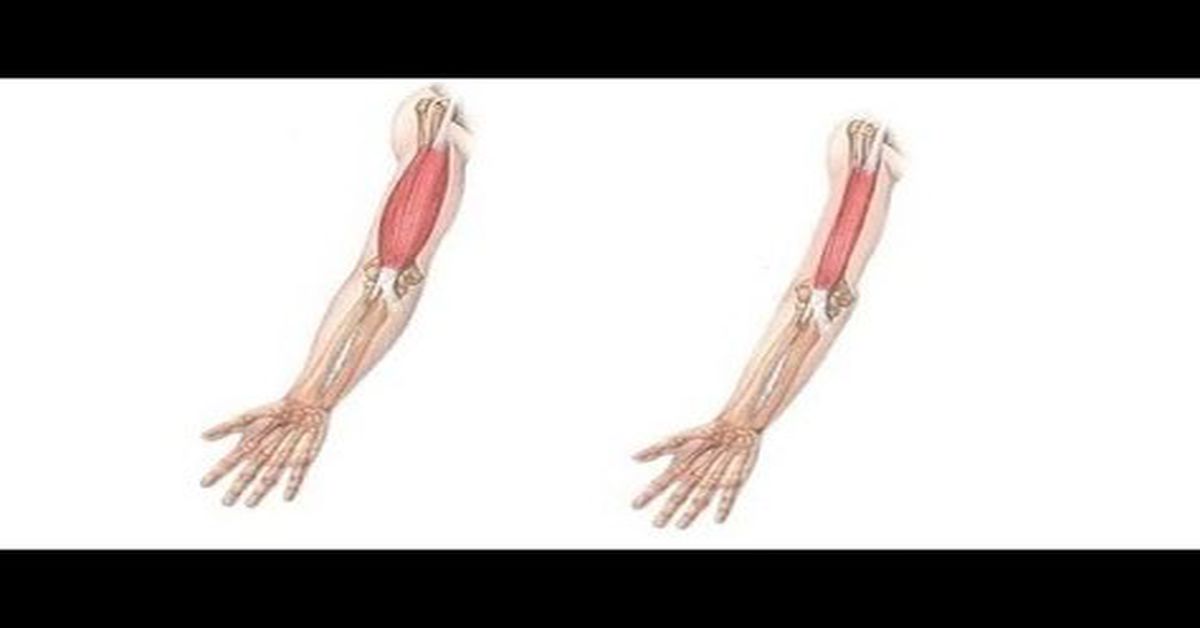
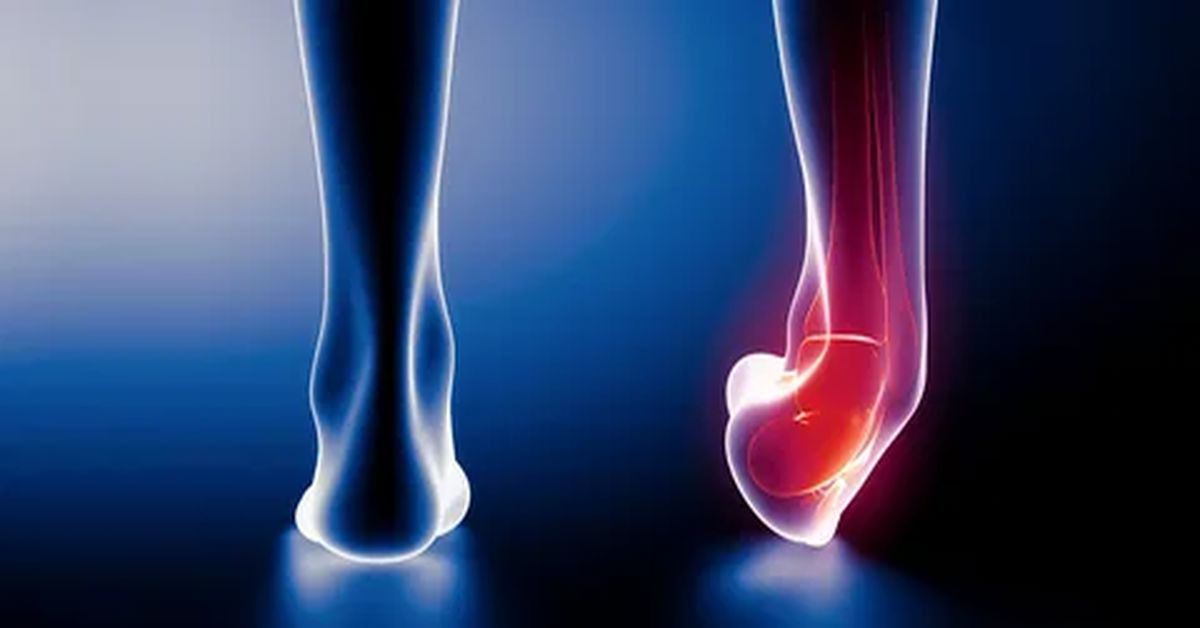
The Achilles tendon connects the calf muscles to the heel bone. It is one of the strongest tendons and plays a vital role in movements such as walking, running, and jumping. Inflammation or strain of this tendon results in a condition called Achilles tendinitis. It is common in athletes, those who stand for long periods, or those who choose inappropriate footwear. If Achilles tendinitis is not treated early, it can lead to serious problems.

The Achilles tendon connects the calf muscles to the heel bone. It is one of the strongest tendons and plays a vital role in movements such as walking, running, and jumping. Inflammation or strain of this tendon results in a condition called Achilles tendinitis. It is common in athletes, those who stand for long periods, or those who choose the wrong footwear. Achilles tendonitis treatment If not addressed early, it can lead to serious problems.
When is surgery necessary for Achilles tendinitis treatment?

Achilles tendonitis is a condition resulting from inflammation or strain of the Achilles tendon. It is most commonly seen in athletes, people who stand for long periods, or those who wear inappropriate footwear.
Rest, medication, and physical therapy are the primary methods used in treatment. However, these methods may be insufficient in some cases. In such situations, surgical intervention becomes necessary.
Surgery is necessary in only a small percentage of Achilles tendonitis cases. It is preferred for patients whose symptoms do not improve despite 6 months of exercise, medication, and physical therapy.
Surgical treatment may be necessary if there is a serious tear, thickening, or calcium deposit in the tendon. Furthermore, if recurring pain significantly reduces the quality of daily life, surgery becomes unavoidable.
In surgical treatment, the damaged tendon area is cleaned. If necessary, reinforcement is performed using the healthy part of the tendon. In cases of advanced wear and tear, tendon transfer may also be performed.
Rest is required for a few weeks after surgery. Recovery is then supported with a physical therapy and rehabilitation program.
The need for surgery varies from patient to patient. Therefore, accurate diagnosis and a personalized treatment plan are crucial. Consulting a specialist orthopedic or sports physician is the most reliable way to determine if surgery is necessary.
In conclusion; surgery Achilles tendonitis treatment It is only applied in cases of advanced tendon damage. It is preferred when other methods have failed. With early diagnosis and appropriate treatment, most patients can recover without the need for surgery.
What are the treatment methods for Achilles tendonitis?
Achilles tendonitis is a condition caused by inflammation or strain of the Achilles tendon. It is often seen in people who stand for long periods or wear inappropriate footwear. If left untreated, it can progress and lead to more serious tendon problems. Therefore, early intervention with the correct methods is crucial.
The first step in treatment is resting the tendon. Avoiding activities that cause pain helps the tendon repair itself.
In the initial days, cold compresses can reduce swelling and pain. Later, applying heat improves blood circulation and accelerates healing.
Anti-inflammatory medications, prescribed under a doctor's supervision, reduce pain and swelling. This treatment is particularly effective in the early stages.
Physical therapy is one of the most important methods in treatment. Exercises that stretch the calf muscles increase the flexibility of the tendon. Strengthening exercises, on the other hand, help the tendon regain its healthy structure.
Heel lift insoles or orthopedic shoes reduce the load on the tendons. These supports both alleviate pain and speed up the healing process.
In rare cases, surgical treatment may be necessary. In advanced tendon injuries, surgery is a last resort.
In conclusion; Achilles tendonitis treatment Treatment methods vary depending on the severity of the disease. In the early stages, most patients can recover with rest, medication, and exercise. In more advanced cases, surgical options may be considered with the support of a specialist physician.
How is Achilles Tendonitis Treated?

Achilles tendonitis develops as a result of strain on the tendon that connects the calf muscles to the heel bone. This tendon can also be damaged by inflammation. It is common in athletes and those who engage in intense physical activity. Wearing the wrong shoes also increases the risk. Achilles tendonitis treatment If not done, it can negatively affect the quality of life.
The first step in treatment is resting the tendon. Activities that increase pain, such as running and jumping, should be avoided. Reducing the load on the tendon accelerates the healing process.
In the initial days, cold compresses help control swelling and pain. In the later stages, warm applications increase blood circulation and support healing.
Anti-inflammatory drugs, used under a doctor's supervision, reduce pain and swelling. This method is particularly effective in the early stages.
Physical therapy is one of the most important stages of treatment. Exercises help the tendon regain its flexibility. Regular exercises performed under expert supervision increase the success of the treatment.
Heel lift insoles and orthopedic shoes reduce pressure on tendons. These supports both alleviate pain and make daily life easier.
In advanced cases where conservative treatments are ineffective, surgery becomes necessary. However, this method should only be used as a last resort.
In conclusion; Achilles tendonitis treatment Rest, medication, physical therapy, and supportive methods are largely successful. Seeking expert help early on makes recovery possible without the need for surgery.
What is the recovery process like after Achilles tendonitis treatment?
Achilles tendonitis treatment The recovery process then varies depending on the treatment applied and the severity of the disease. While some patients recover within a few weeks, in advanced cases this process may take months. Post-treatment care is crucial for a lasting and healthy recovery.
In the initial period after treatment, the tendon should not be strained. Running, jumping, and brisk walking should be avoided for the duration recommended by the doctor. Gradually returning to daily activities will prevent further damage to the tendon.
Physical therapy plays a major role in the recovery process. Exercises that stretch and strengthen the calf muscles should be performed regularly. This makes the tendon more flexible and reduces the risk of re-injury.
Using heel lift insoles reduces the load on the tendons. Orthopedic shoes also provide support. This support increases the comfort of the post-treatment process.
A diet rich in protein, vitamins, and minerals supports tendon repair. Avoiding smoking and alcohol speeds up the healing process.
Returning to sports after treatment should not be rushed. With the doctor's approval, low-intensity exercises should be started gradually to increase the load-bearing capacity of the tendon.
In conclusion; Achilles tendonitis treatment The post-operative process requires patience and attention. Regular exercise and a proper lifestyle support tendon healing. Following your doctor's recommendations ensures a healthy recovery and prevents recurring problems.