Athletes may encounter various problems during intense physical activity. This can negatively affect their performance. The most common of these problems are called sports injuries. Injuries are mostly injuries affecting muscles, joints, tendons, and ligaments. These injuries can occur during training. The causes are incorrect movements, insufficient warm-up, overloading, or the use of incorrect equipment. Causes of Sports Injuries Sportsmanship is about physical performance…

Athletes may encounter various problems during intense physical activity. This can negatively affect their performance. The most common of these problems are: sports injuries These injuries are mostly injuries affecting muscles, joints, tendons, and ligaments. These injuries can occur during training. Causes include incorrect movements, inadequate warm-up, overloading, or the use of improper equipment.
Causes of Sports Injuries

Athletics is a process characterized by high physical performance. However, intense training and competition schedules bring with them various health risks.
Sports injuriesThis can occur due to incorrect movement techniques or overexertion. This condition reduces the athlete's performance.
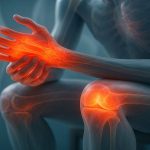
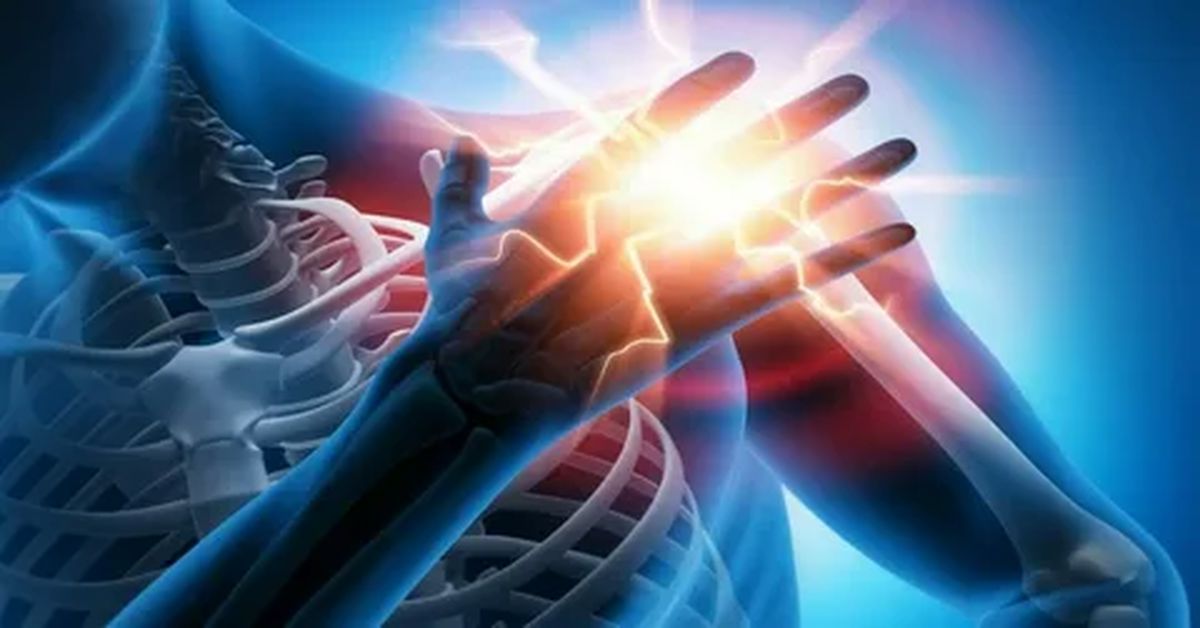
Muscle and joint problems are among the most common effects of sports activities. Muscle strains, tears, or inflammation due to overuse can occur. This leads to short-term and long-term performance losses. Joint injuries can restrict mobility. Daily living activities can also be affected.
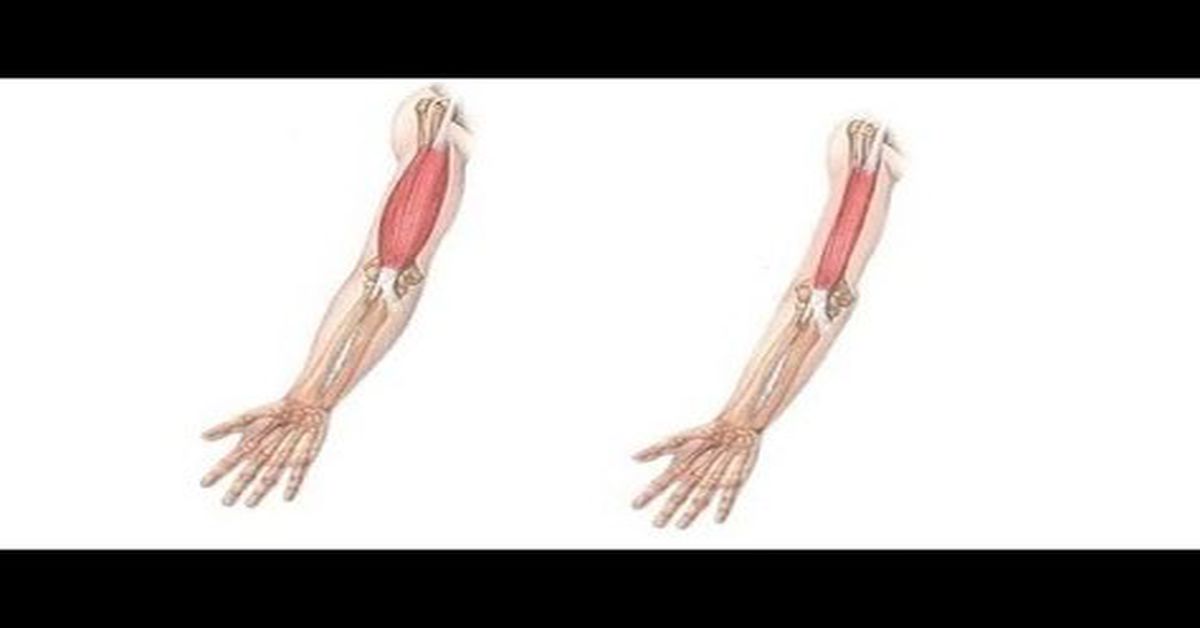
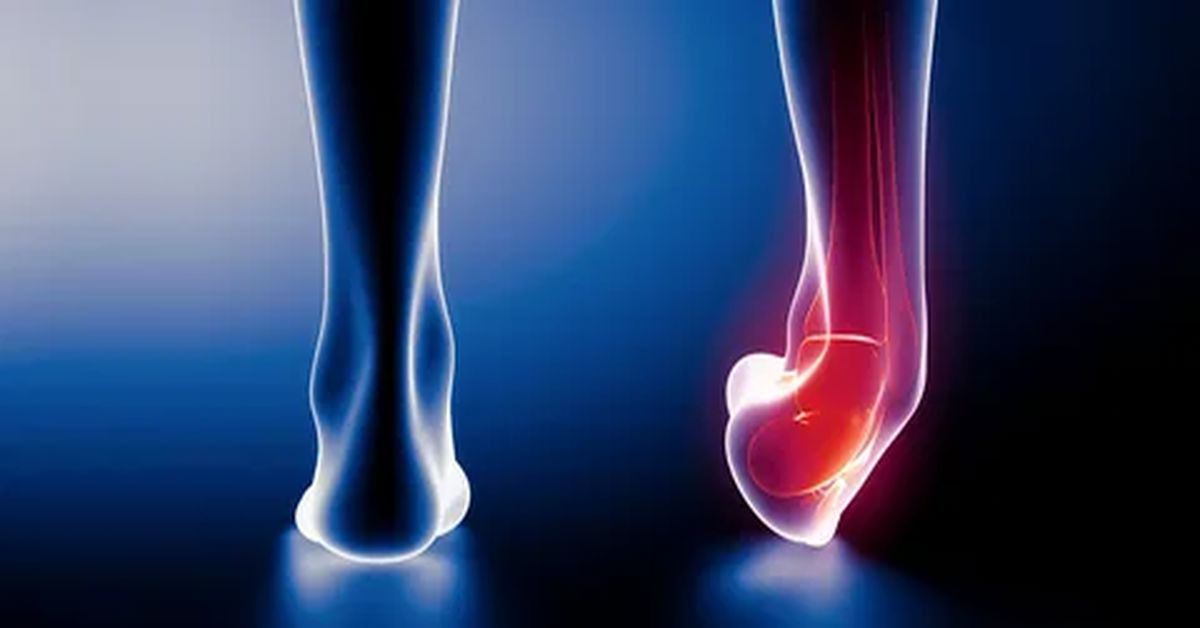
In addition, tendon and ligament problems are also frequently observed. These types of injuries reduce the athlete's training pace and may require a long recovery period.
Injury recovery can also have psychological effects on athletes. Long periods of rest and recovery can lead to loss of motivation and increased anxiety. The fear of recurrence can negatively impact competition performance.
Preventive measures are critical in mitigating these effects. Regular warm-up and stretching exercises reduce the risk of injury. Applying correct techniques and personalized training programs are also important. Using appropriate equipment protects the athlete's health. Adequate rest supports both physical and psychological recovery.
In conclusion, sports injuries don't just lead to physical problems. They can also create difficulties in terms of performance and psychology. These risks can be minimized with conscious training and preventive measures.
How to Prevent Sports Injuries?
Athletes engage in high-performance training. This brings with it various injury risks. The most important of these risks is... sports injuries income.
One of the fundamental steps in preventing injuries is regular warm-up and stretching exercises. Warming up before training prepares muscles and joints, reducing the risk of injury. Stretching exercises increase muscle flexibility and prevent strain.
Furthermore, applying correct techniques is extremely important. Performing movements incorrectly or hastily puts unnecessary strain on muscles and joints. Training under the supervision of a professional coach minimizes such errors and provides a safe training environment.
Maintaining a balanced training program also plays a critical role in preventing injuries. Overtraining strains muscles and ligaments, increasing the likelihood of injury. A personalized and controlled program ensures the athlete remains healthy both physically and psychologically.
Using the right equipment reduces risks. Sufficient rest periods also protect the athlete. Footwear, protective equipment, and sports equipment must be appropriate. This ensures proper body support. Adequate rest after training helps muscles recover. Maintaining performance is also supported by rest.
In conclusion, sports injuries It can be largely prevented with conscious measures. Regular warm-up and correct technique protect the athlete. Performance can be sustained with balanced training, appropriate equipment, and sufficient rest.
Sports Injuries Treatment Process

The first step is obtaining an accurate diagnosis. Injuries can range from simple muscle strains to serious ligament or joint injuries. Therefore, it's crucial that a healthcare professional conducts an assessment. A proper assessment allows for the development of an appropriate treatment plan.
The treatment process usually begins with rest and recovery. Sufficient time must be allowed for the repair of muscle and joint tissues. If necessary, physical therapy and rehabilitation programs are implemented. These programs aim to restore the athlete's mobility and also help reduce the risk of re-injury.
Since sports is a field that requires high physical performance, various injuries are frequently seen. Among these injuries, the most common are... sports injuries It depends on the type and severity of the injury and the athlete's overall health condition.
Medications or injections are used to manage pain and inflammation. More serious injuries may require surgical intervention. Following surgery, the athlete needs to recover. During this process, a gradual rehabilitation process is implemented to return to training and competition.
Psychological support is also an important part of the treatment process. Long periods of injury can lead to loss of motivation and anxiety in athletes. During this time, the athlete needs psychological support. This support accelerates the recovery process and helps maintain performance.
In conclusion, sports injuries The treatment process requires a multifaceted approach, both physically and psychologically. Accurate diagnosis and appropriate treatment are crucial. With regular rehabilitation, athletes can return to training and competitions in a healthy condition.
After Sports Injuries Treatment
Athletes can experience various injuries during intense training and competition periods. After treatment, it is important to restore the athlete's performance to its previous level. Preventing re-injury is also essential.
Rehabilitation programs help athletes recover physically. Psychological support is also part of the process. This process focuses on regaining muscle strength and improving joint mobility.
Nutrition and sleep patterns are critical elements of the post-treatment period. Adequate protein, vitamin, and mineral intake is necessary for the body's repair mechanisms to function effectively. Furthermore, sufficient sleep and rest contribute to the strengthening of muscles and connective tissues.
Psychological support is an integral part of the post-treatment process. Long periods of rest and injury can lead to a loss of motivation. Performance anxiety can also arise. Support programs guided by sports psychologists increase the athlete's self-confidence. These programs help them to be better prepared for competitions.
Training intensity should be increased gradually. Using correct techniques reduces the risk of re-injury. Coaches and physiotherapists plan training taking into account the athlete's physical limits.
All these measures and practices ensure that the athlete returns to their previous performance level in a healthy way. They also help them achieve long-term success. These measures taken in the post-treatment period alleviate the problems experienced by athletes. sports injuries It offers the most effective solutions for this.