Cervical disc herniation occurs when the discs between the vertebrae shift out of place and put pressure on the nerves. It manifests with symptoms such as pain in the neck area, numbness and weakness in the arms. The treatment process for cervical disc herniation varies depending on the severity of the condition and its impact on the patient's quality of life. Who is a suitable candidate for Cervical Disc Herniation Treatment? Cervical disc herniation occurs when the discs between the vertebrae shift. This condition…

A cervical disc herniation occurs when the discs between the vertebrae slip and put pressure on the nerves. It manifests itself with symptoms such as pain in the neck area, numbness in the arms and loss of strength. Cervical disc herniation treatment The course of treatment varies depending on the severity of the disease and its effect on the patient's quality of life.
Who is a suitable candidate for cervical disc herniation treatment?
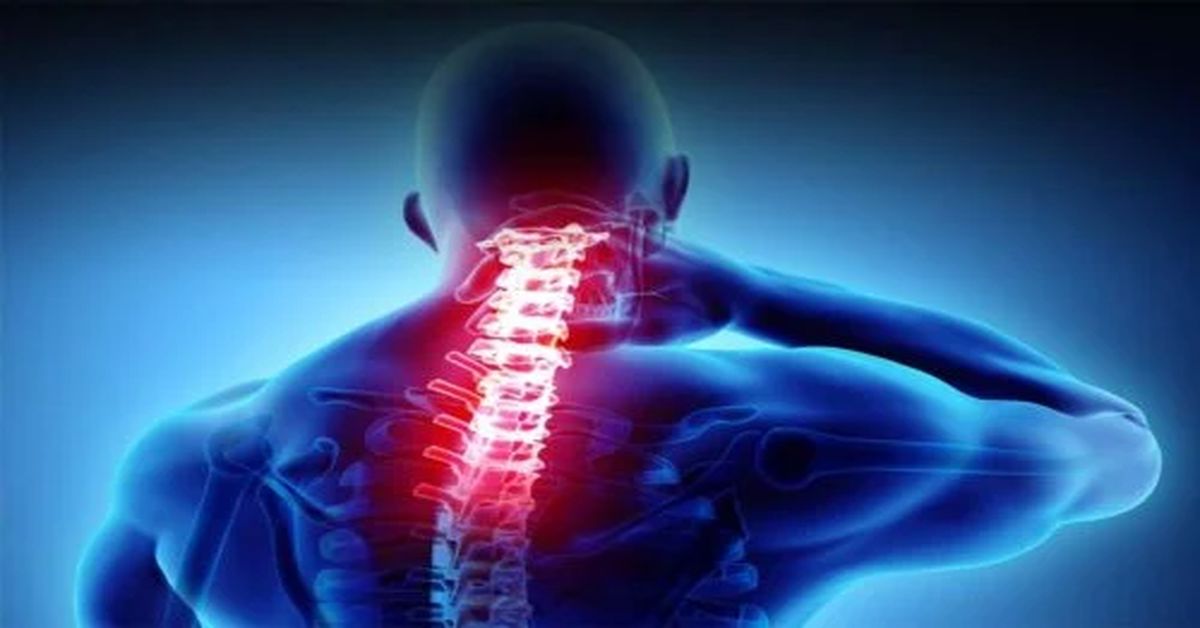
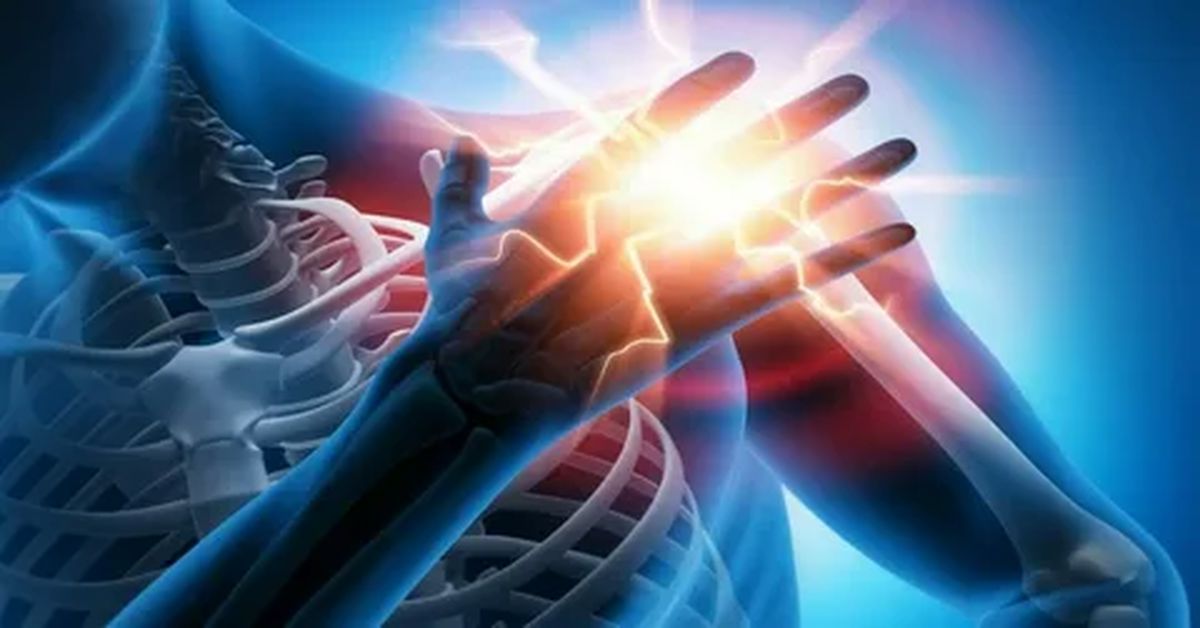
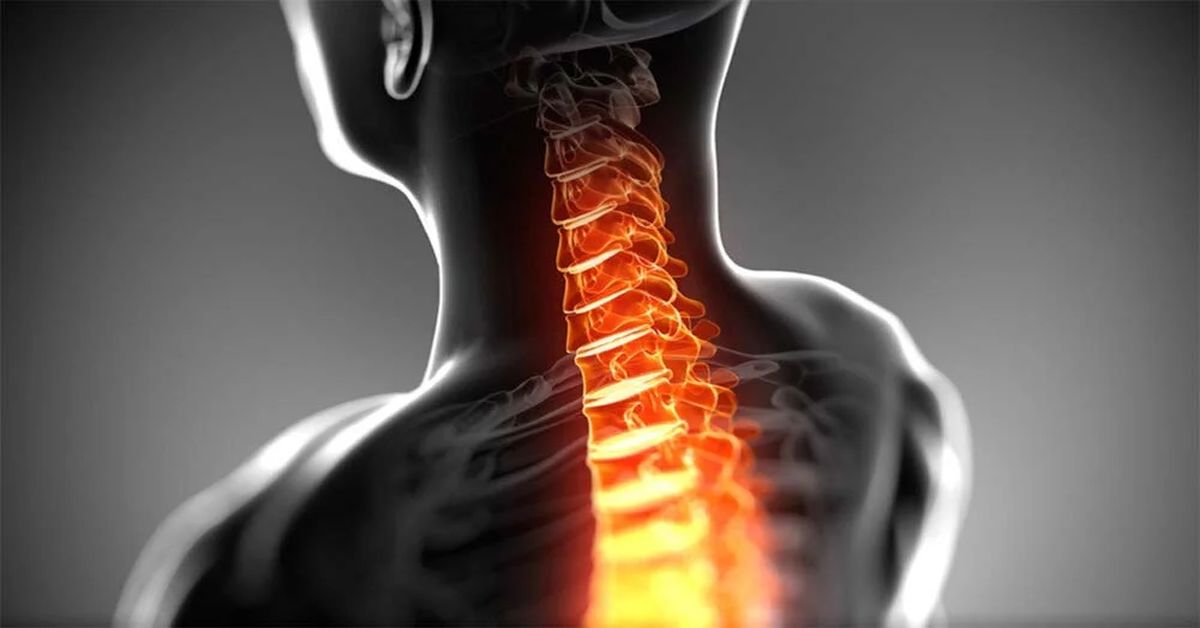
Cervical disc herniation occurs when the discs between the vertebrae shift. This can put pressure on the nerves. Neck pain is the most common symptom. The pain can radiate to the shoulder and arm. Numbness and weakness may also occur. Daily life is negatively affected by this condition.
Early diagnosis facilitates the treatment process. In general... Neck hernia treatment, This treatment is suitable for patients experiencing pain and nerve compression. Prolonged neck pain is a significant symptom. Numbness in the arm and hand also warrants evaluation. Physical therapy and medication are among the initial treatment options.
Patients who benefit from these methods may not require surgery. A sedentary lifestyle can trigger this condition. People who work at a desk for long periods are at risk. Incorrect posture habits worsen the problem.
Lifting heavy loads can also be a contributing factor. Therefore, proper ergonomics are of great importance. Regular exercise can reduce the risk. In conclusion... Cervical disc herniation treatmentThis is a necessary procedure for individuals whose complaints reduce their quality of life. In advanced cases, surgical intervention may be required. However, most patients find relief with non-surgical methods. At this point, treatment, with proper planning, offers effective results.
In what situations is cervical disc herniation treatment applied?
Cervical disc herniation treatment It is applied to reduce the symptoms caused by discs pressing on the nerves. The most common symptom is neck pain. This pain can spread to the shoulders and arms. Numbness, tingling, and weakness may also occur. These symptoms make daily life difficult. Treatment is initiated when the symptoms persist for a long time.
Treatment is generally applied when the pain intensifies. Intervention is necessary when rest and simple measures are insufficient. A significant sign is weakness in the arm and hand, indicating increased nerve compression. Decreased reflexes may also be observed. These symptoms should be carefully evaluated.
In the first stage, non-surgical methods are preferred. Medication controls the pain. Physical therapy strengthens the muscles and helps reduce pressure on the nerves. Exercise programs support this process. These methods yield effective results in most patients.
In advanced cases, surgical intervention may be necessary. Surgery is planned when nerve compression reaches a severe level. This procedure aims to relieve pressure on the nerve. Timely intervention prevents permanent damage. The process should be monitored with regular check-ups. More successful results are obtained with early treatment.
What are the treatment methods for cervical disc herniation?
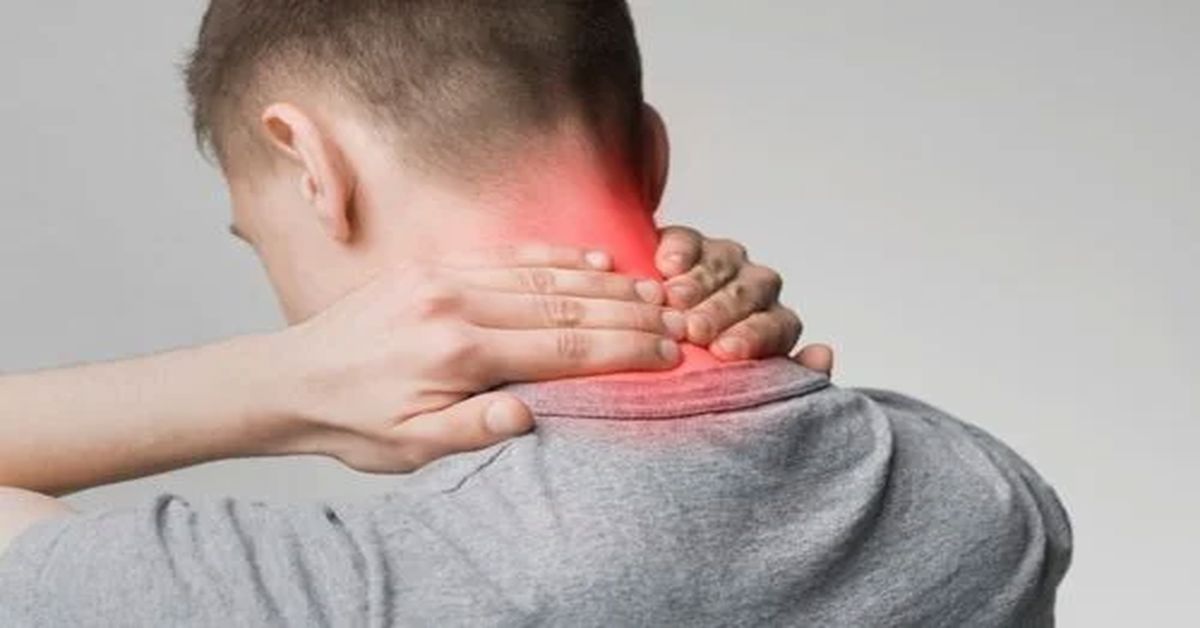
The goal of treatment is to reduce pain and relieve pressure on the nerve. The treatment plan is determined according to the patient's complaints. Rest is recommended in the first stage. Neck movements may be restricted. Pain relievers and muscle relaxants may be used. These methods can provide relief in a short time.
Physical therapy is one of the most commonly used methods. Exercises performed under the guidance of a specialist strengthen muscles and reduce the load on the neck area. Heat applications and manual therapy techniques can also be used. This process helps reduce pressure on the nerves. Regular application increases the success of the treatment.
at this point Neck hernia treatment, Treatment is tailored to the patient's condition. Symptoms can vary from person to person, so a personalized plan is created. Injection treatments may be necessary. Cortisone injections reduce inflammation, allowing for rapid pain control.
In advanced cases, surgical intervention may be necessary. Surgery is planned when nerve compression reaches a severe level. This procedure aims to relieve the compression. The post-operative recovery process is carefully monitored. Regular check-ups are important. With the right treatment, patients can return to their daily lives.
What is the recovery process like after cervical disc herniation treatment?
The recovery process varies depending on the treatment method used. Rest is important in the first few days. The neck area should not be strained. Mild pain and stiffness may occur. This usually subsides quickly. Medications prescribed by the doctor should be taken regularly. Daily activities should be resumed gradually.
Physical therapy plays a crucial role in the recovery process. Strengthening the neck muscles is essential. Exercises performed under the guidance of a specialist support the process and increase flexibility, thereby reducing pressure on the nerves. Regular exercise lowers the risk of recurrence. This process requires patience.
Daily lifestyle habits should also be reviewed. Staying in the same position for long periods should be avoided. Those who work at desks should be particularly careful. Correct sitting and posture habits should be adopted. An ergonomic work environment should be created.
These measures have a positive impact on the recovery process in the long term. Cervical disc herniation treatment The post-treatment process depends on the patient's adherence to the recommendations. Regular check-ups should not be missed. Heavy lifting should be avoided. Healthy lifestyle habits should be adopted. At this point, post-treatment care is of great importance for lasting recovery.