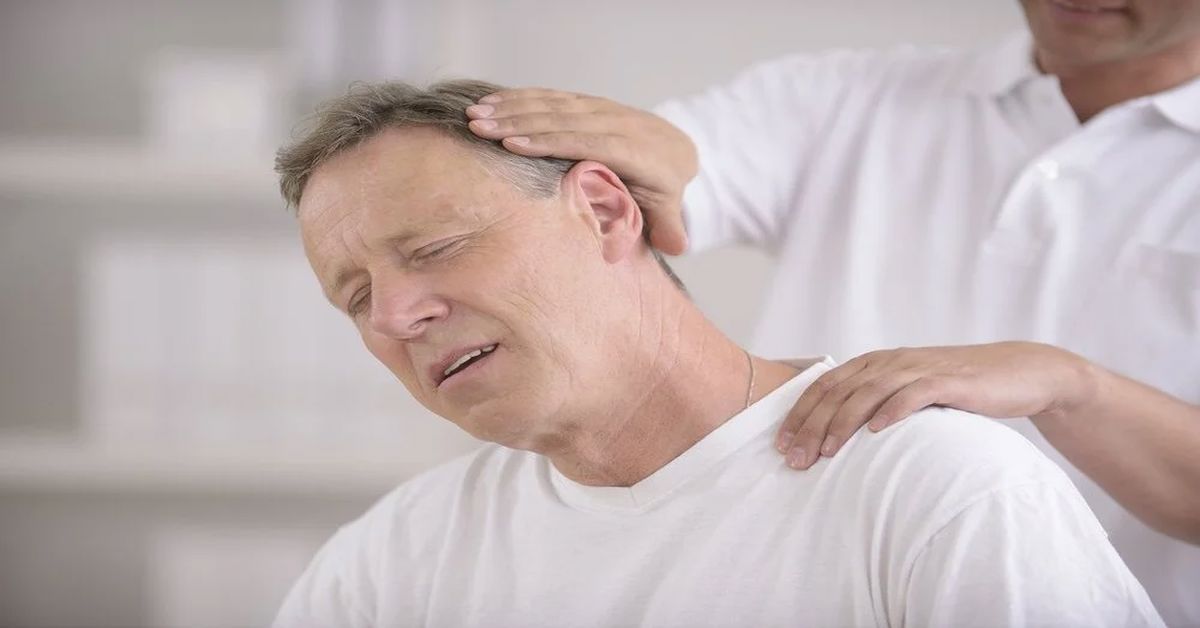
This type of pain can sometimes be resistant to treatment and can negatively affect a person's quality of life. What is chronic pain? It is a type of pain that usually lasts 3 months or more and becomes constant. It is usually seen in the back, joints and head. It can be caused by various reasons such as injuries, nerve damage or inflammation. Treatment methods vary depending on the type and intensity of the pain. Chronic …

This type of pain can sometimes be resistant to treatment and negatively affect a person's quality of life. What is chronic pain?, is a type of pain that usually lasts for 3 months or more and becomes constant. It is usually seen in the back, joints and head. It can be caused by various reasons such as injuries, nerve damage or inflammation. Treatment methods vary depending on the type and intensity of the pain.
What is chronic pain? Who gets it?
Prolonged pain can negatively impact daily life. Some individuals may experience limited mobility and fatigue. Sleep patterns and quality of life can be affected by the pain. The severity of symptoms can vary from person to person. Regular check-ups with a specialist are important for evaluating the condition.
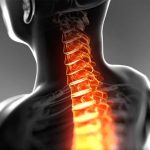
In some people chronic pain It can persist for months. Long-term pain is particularly common in the lower back, neck, and joints. Past injuries or certain health problems can contribute to this condition. A sedentary lifestyle can also worsen the pain. Regular exercise and controlled lifestyle habits are important.
Long-term pain complaints are more common in older age groups. People who work at desks may develop muscle and joint problems. Intense physical work can also cause pain in some people.
Stress and irregular sleep can also affect the process. If the pain persists for a long time, expert evaluation is important. In some people... chronic pain It can make daily life activities difficult. This can negatively affect quality of life. Regular exercise and expert supervision can help support the process. Healthy lifestyle habits can contribute to pain management. An individualized treatment plan should be determined through expert evaluation.
Chronic Pain Symptoms and Causes
Chronic pain It can negatively affect daily life. Some people may experience difficulty during movement. Sleep patterns and quality of life can be affected. Pain may occur especially in the lower back, neck, and joint areas. If the pain becomes persistent, it can make daily activities difficult. Expert evaluation is important for long-term complaints.
Some people may experience fatigue and weakness. Pain may make movement difficult. Sitting or standing for long periods can worsen the discomfort. Some people may experience muscle tension. Attention deficit and sleep problems may also occur. Symptoms may vary from person to person.
Past injuries can cause long-term pain in some people. Back and neck problems can affect the process. A sedentary lifestyle can also be a significant cause. Intense stress can increase the sensation of pain in some individuals. Irregular sleep can also negatively affect the process. Healthy lifestyle habits are therefore important.
If pain persists for a long time, expert consultation is important. Early assessment can help in planning the treatment process. Regular exercise may provide relief for some people. Regulating daily life habits is important. A treatment plan appropriate for the individual should be determined through expert evaluation.
What are the treatment methods for chronic pain?
Long-term pain can make daily life difficult. Discomfort may occur during movement. In some individuals, sleep patterns and quality of life may be negatively affected. The treatment process is planned according to the cause of the pain and the person's overall health condition. Expert evaluation is important in this process. Regular follow-up can help monitor the progress.
Different methods can be considered together in the treatment plan. Drug treatments may be preferred for some individuals. Physical therapy can help support muscle and joint movement. Regular exercise programs can also play an important role in the process. Healthy lifestyle habits can support the treatment process. Creating a treatment plan tailored to the individual is crucial.
In some people chronic pain Injection treatments may be preferred. Different supportive methods can also be considered. Different approaches may be preferred, especially in individuals with limited mobility. The aim may be to control pain. Regular expert check-ups are important for the process. The treatment plan should be determined according to the individual's needs. A controlled follow-up process can help evaluate the treatment.
Regulating daily routines is important. Avoiding prolonged periods of inactivity is recommended. Regular walking and light exercise may provide relief for some individuals. Pain prevention Stress management can also be important during this process. Healthy sleep patterns can contribute to quality of life. Following expert recommendations is crucial.
What is the recovery process like after chronic pain treatment?
The post-treatment recovery process can vary from person to person. Some individuals can return to their daily lives quickly, while others may require longer follow-up. Pain reduction can help improve quality of life. Regular check-ups with a specialist are important for evaluating the progress. Adopting appropriate lifestyle habits can also be crucial during this period.
Many people after treatment What is chronic pain? Besides the question of recovery, people are also curious about the healing process. Regular exercise programs can provide relief for some individuals. Avoiding prolonged periods of inactivity is recommended. Light walks and controlled movement can support the process. Following expert advice is important. A healthy sleep schedule can also contribute to the recovery process.
Stress management can be important after treatment. Intense stress can increase pain in some individuals. A balanced diet and regular lifestyle habits can support the process. Controlled movement is recommended to protect muscle and joint health. Regulating daily life habits is important. Regular follow-up can help the process progress more healthily.
In some individuals, the post-treatment recovery process may progress more quickly. In others, controlled follow-up may take longer. It is important not to miss specialist check-ups. A reassessment may be necessary if the pain increases again. Healthy lifestyle habits can contribute to maintaining quality of life.