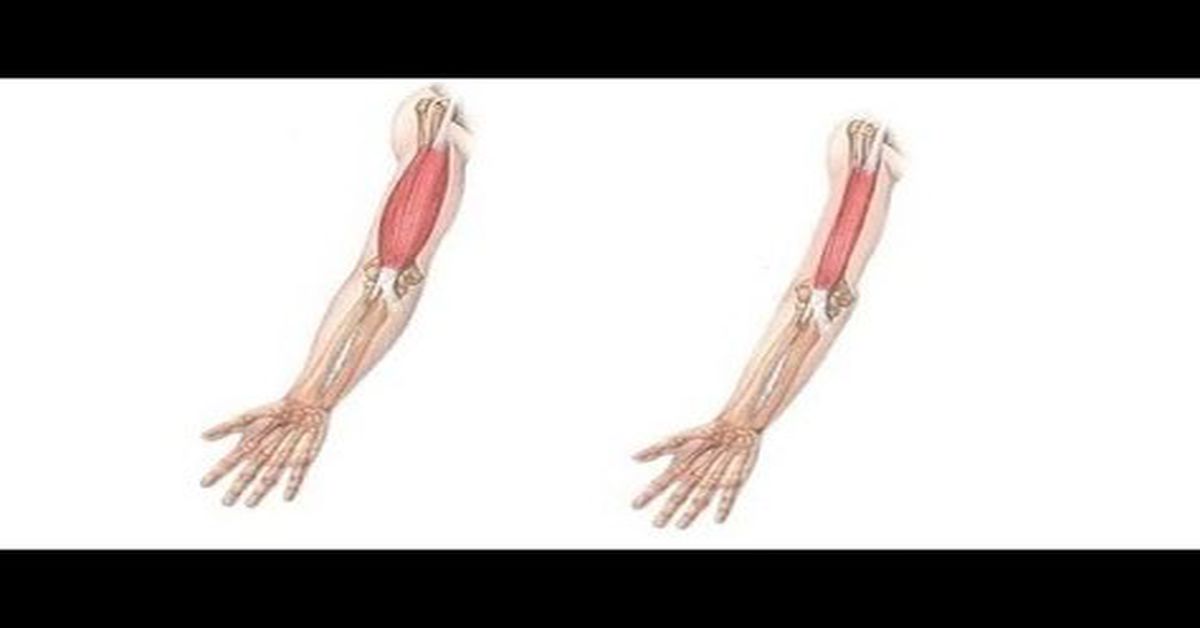
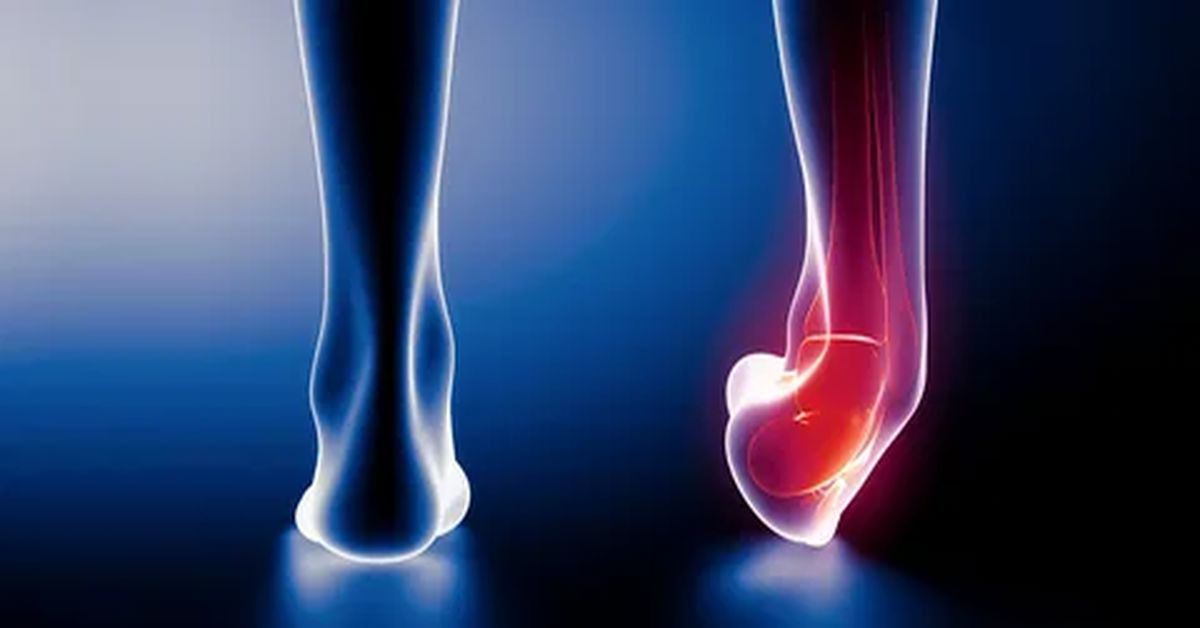
Muscle strain occurs when the fibers of a muscle are overstretched or strained. This leads to damage to the fibers in the muscle's structure. Sudden and rapid movements can often cause muscles to stretch more than normal. Muscle strain is characterized by a pulling sensation in the muscle and can cause significant pain. It most often occurs in the legs, back, and shoulders. Symptoms and Causes of Muscle Strain…

It occurs when the fibers of a muscle are stretched or strained excessively. This causes damage to the fibers in the muscle structure. Generally, sudden and rapid movements can cause the muscles to lengthen more than normal. Muscle strain, becomes apparent when the muscle is pulled and can cause serious pain to the person. Most often, it is seen in the legs, back area and shoulders.
Muscle Strain Symptoms and Causes

It occurs as a result of overstraining of muscle fibers. It is usually seen after sudden movements. It can happen during sports or heavy lifting. Exercising without warming up increases the risk. If the muscle is not flexible enough, strain develops more easily. Even a wrong movement in daily life can cause the problem.
The most common symptom is pain. There may be increased tenderness during movement. Stiffness is felt in the affected area. Sometimes mild swelling occurs. In advanced cases... muscle strain Bruising may occur. Muscle strength may decrease. Limited range of motion may develop. Pain may decrease with rest but increases with continued strain.
One of the most common causes is insufficient warm-up. When muscles are caught unprepared, the fibers can stretch. Overloading is also a significant factor. Prolonged repetitive movements can tire the muscles. Poor posture affects muscle balance. Insufficient fluid intake can reduce muscle flexibility, increasing the risk of injury.
If left untreated muscle strain It can prolong the healing process. Rest is important in the first few days. Cold application can reduce swelling. If pain persists, a specialist evaluation is necessary. Mild cases usually heal quickly. However, physical therapy may be required for severe strains. Early intervention ensures a faster recovery.
Who gets muscle strain?
Strains can occur in all age groups, but some individuals are at higher risk. Those who participate in sports are frequently affected, especially in sports requiring sudden acceleration and braking. Football, basketball, and running can be risky. Starting exercise without warming up increases the likelihood of injury.
People who work at desks can also develop this problem. Sitting in the same position for long periods weakens the muscles. Sudden movements can strain the muscle fibers. Those who do heavy work are also at risk. Constantly lifting heavy objects tires the muscles. Insufficient rest has negative effects. Muscle flexibility decreases with age.
Lack of flexibility and fitness. muscle strain It increases the risk. Muscles are more easily strained in people who do not exercise regularly. Fluid loss is also an important factor. Dehydrated muscle fibers become more fragile. The risk of recurrence is high in people who have previously experienced injuries. Even choosing the wrong shoes can cause problems.
Weight gain during pregnancy can put extra strain on muscles. Rapid growth in adolescents can affect muscle balance. Professional athletes are at risk due to intense training. Regular stretching and warm-up exercises play a protective role. Correcting postural problems is important. Individuals in the risk group need to pay attention to their muscle health.
What are the treatment methods for muscle strain?

The primary goal in treating muscle strains is to reduce pain and protect the muscle. In mild cases, rest is often sufficient. The affected area should not be strained. Cold application is recommended within the first 24–48 hours. Cold compresses reduce swelling. Simple pain relievers can be used for pain control. However, medication should only be used under a doctor's recommendation.
The RICE method can be applied in the acute phase. This method includes rest, ice application, compression, and elevation. An elastic bandage provides light support. If the leg is affected, keeping it elevated can reduce edema. Sudden and forceful movements should be avoided. Heavy exercise should not be performed in the first few days. Correct intervention muscle strain It speeds up the healing process.
Once the pain subsides, gentle stretching exercises can be started. Controlled stretching exercises increase muscle flexibility. Physical therapy may be necessary for some patients. Exercises performed under the supervision of a specialist are safe. Exercises aimed at increasing muscle strength reduce the risk of recurrence. Warm compresses may be preferred in the later stages of the healing process.
Severe strains can cause tears in muscle fibers. This requires a detailed examination. Imaging techniques are used if necessary. Recovery time varies from person to person. Early and correct treatment is important; otherwise, the problem can become chronic. Regular follow-up and controlled exercise ensure lasting recovery.
What is the recovery process like after muscle strain treatment?
The recovery process after strain treatment varies depending on the severity of the strain. In mild cases, recovery is usually quick. Pain and tenderness may occur in the first few days. It is important to pay attention to the rest period. The affected muscle should not be strained immediately. Sudden movements should be avoided. Mistakes made in the early stages can delay healing.
As pain subsides, controlled exercises can be started. Gentle stretching exercises increase muscle flexibility. Exercises performed under expert guidance are safe. Physical therapy can speed up the process in some patients. Exercises that increase muscle strength reduce the risk of recurrence. Patience is necessary. Forcing a muscle before it is fully healed can lead to a new injury.
Returning to daily life should be gradual. Those who exercise should increase training intensity slowly. Adequate warm-up and cool-down exercises are important. Fluid intake supports muscle health. A balanced diet positively influences recovery. Using appropriate footwear and correct equipment also plays a protective role.
In the long term, regular exercise and stretching after strain are important. Maintaining muscle balance reduces the risk of recurrence. Postural problems should be corrected. Overloading should be avoided. If symptoms recur, expert evaluation is necessary. Move consciously and with control. muscle strain It supports the improvement of the process.