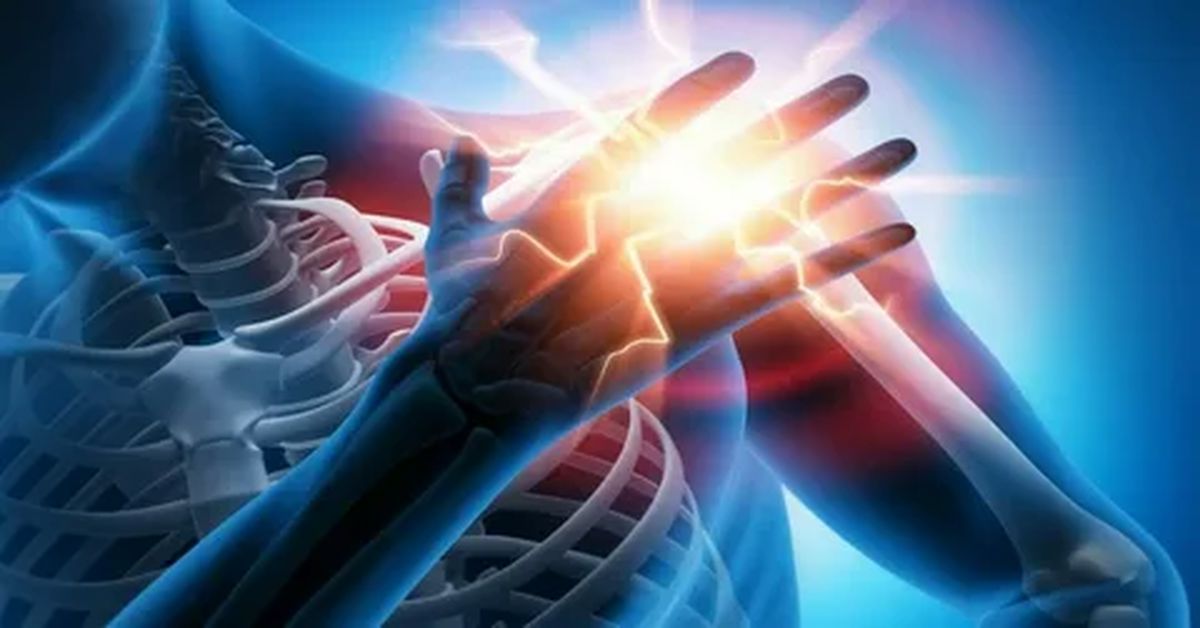
Separation of the bones forming the elbow joint leads to a serious joint injury. It usually occurs as a result of the hand hitting the ground during a fall or a direct blow to the elbow. This injury, resulting from sports injuries, traffic accidents, and falls from a height, is called elbow dislocation. Elbow Dislocation Symptoms and Causes The elbow joint is an important structure for the range of motion of the arm. ...

Separation of the bones forming the elbow joint leads to a serious joint injury. It usually occurs as a result of the hand hitting the ground during a fall or a direct blow to the elbow. This injury results from sports accidents, traffic accidents, and falls from heights. elbow dislocation It is called.
Elbow Dislocation Symptoms and Causes

The elbow joint is a vital structure for arm movement. Injuries to this joint can seriously affect daily life. A fall where the hand hits the ground can place excessive stress on the elbow area, potentially damaging the joint structure. Severe pain, sudden swelling, and limited movement are among the most common symptoms. Some patients may also experience bruising and inability to move the arm.
Trauma-induced Elbow Dislocation It usually occurs as a result of high-energy accidents. Sports injuries, traffic accidents, and falls from heights are among the most common causes. Falls during play in children can also increase the risk. In addition, weak ligaments in the joint can increase the likelihood of dislocation in some individuals. If deformity and severe pain occur in the elbow after the injury, emergency intervention is required.
When a dislocation occurs, not only the bones but also the surrounding ligaments and soft tissues can be damaged. Some patients may develop nerve or blood vessel compression. This can lead to numbness or weakness in the hand. If treatment is delayed, the limitation of movement may become permanent. Therefore, it is important to avoid straining the arm after the injury and to seek medical attention as soon as possible.
Early intervention is crucial in the treatment process. With appropriate treatment, the joint is returned to its normal position and the healing process begins. Elbow Dislocation When treated correctly, it allows for the restoration of mobility. Regular check-ups accelerate the healing process. This allows patients to return to their daily lives more safely and comfortably.
Who is susceptible to elbow dislocation?
The elbow joint is a frequently used and highly mobile structure in daily life. Therefore, it is a vulnerable area to trauma. During falls, the reflexive attempt to grab onto the ground with one's hand can place excessive stress on the elbow joint. This can lead to serious injuries. Sudden falls and collisions, in particular, increase the risk of damage to the elbow region.
Individuals who actively participate in sports are at higher risk of injury. Elbow injuries are more common in sports such as football, basketball, cycling, and skateboarding, where the likelihood of falls increases. Children are also at risk because they are more prone to falls during play. Furthermore, decreased bone density in older individuals can increase the risk of injury after a fall.
In some cases Elbow Dislocation The likelihood of occurrence may be higher. Individuals with weak ligaments are at increased risk of dislocation. People who have previously suffered an elbow injury may experience another dislocation. Traffic accidents and falls from heights also pose a serious risk. Therefore, individuals in the risk group should be more careful to avoid falls. The use of protective equipment can also reduce the risk of injury.
Injuries can occur at any age, but it's important to be aware of risk factors. Strengthening muscles and ligaments through regular exercise can reduce the likelihood of injury. Using protective equipment while playing sports is also important. Taking precautions to reduce the risk of falls is beneficial in daily life.
What are the treatment methods for elbow dislocation?

Dislocations in the elbow joint can seriously affect daily life. Severe pain and limited movement occur after the injury. Significant deformity in the elbow area may be observed. This situation requires immediate medical attention. The goal of treatment is to return the joint to its correct position and restore normal arm movement. Early intervention accelerates the healing process and reduces the risk of permanent damage.
In this situation, the first step is for a specialist doctor to reposition the joint. This procedure is usually performed in the emergency room. Afterwards... Elbow Dislocation Afterward, the elbow is kept immobilized for a certain period of time. This allows the damaged ligaments and soft tissues to heal. Medication may be used to reduce pain and swelling. It is important for the patient not to strain their arm and to rest it for the recommended period.
In some patients, serious damage may occur to the ligaments surrounding the joint. In these cases, surgical intervention may be necessary. Following surgery, the elbow is immobilized again, and the healing process is closely monitored. Physical therapy helps increase muscle strength. Regular exercises restore range of motion, allowing patients to return to their daily activities more safely.
Controlled movement is crucial in the post-treatment period. Regular performance of the exercises recommended by your doctor is essential. Otherwise, stiffness and loss of movement may develop in the elbow. Regular check-ups allow for early detection of potential problems. This preserves elbow function and enables patients to lead more comfortable daily lives.
What is the recovery process like after elbow dislocation treatment?
After elbow dislocation treatment is completed, the healing process is carefully monitored. Initially, the elbow joint is kept immobilized for a certain period. During this time, pain and swelling gradually decrease. Patients need to protect their arm from sudden movements. Through regular check-ups with the doctor, the healing process is evaluated. This allows potential problems to be detected early and necessary precautions to be taken.
After the immobilization period ends, the process of restoring range of motion begins. Physical therapy helps the joint regain its flexibility. Patients initially start with light exercises. Range of motion increases over time. Patience is important during this period. Sudden and forceful movements should be avoided. In patients who exercise regularly, the recovery process progresses faster, and returning to daily life activities becomes easier.
The goal in the post-treatment period is to regain muscle strength. Muscles that have been inactive for a long time can weaken. Therefore, controlled exercise programs are implemented. It is important for patients to perform the recommended exercises regularly. If pain occurs, a doctor should be consulted. This protects joint health and reduces the risk of developing limited range of motion.
The goal is for patients to be able to return to their daily lives safely at the end of the recovery process. Regular check-ups protect joint health. Regular exercise and controlled use reduce the risk of re-injury. Because the treated area... Elbow Dislocation After that, they can use their elbows comfortably. They can confidently maintain their quality of life.