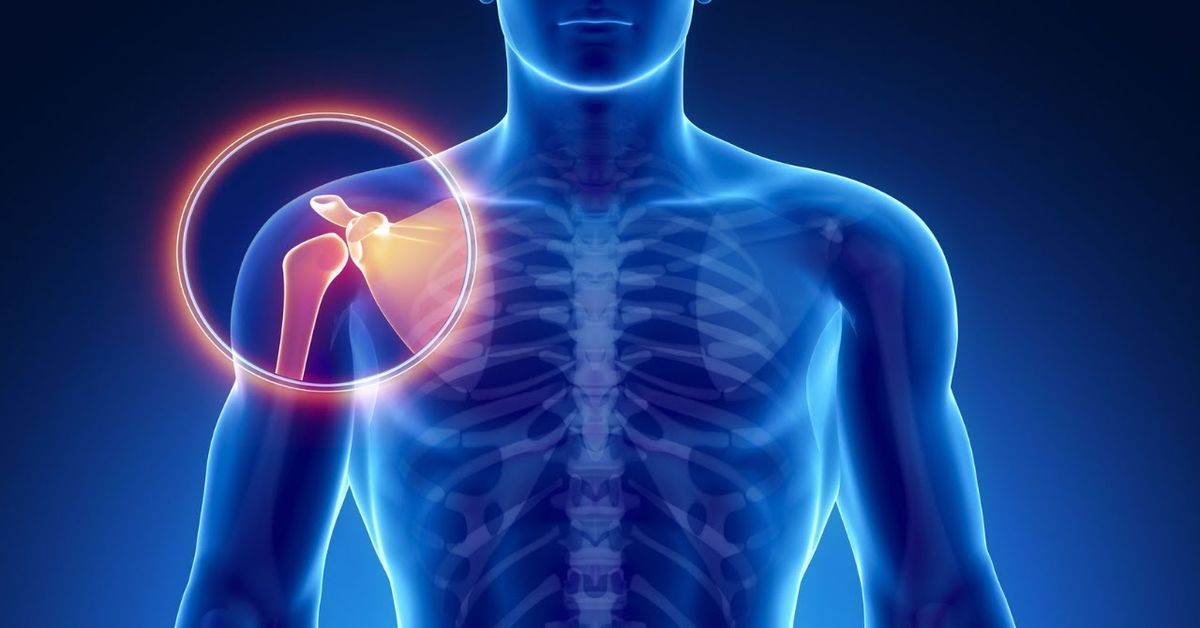
A dislocation is a condition that occurs when the connection between two bones deviates from its normal position. This usually happens as a result of sudden trauma, falls, or sports injuries. It can also occur as a result of accidents. It most commonly affects the shoulder, elbow, hip, finger, and jaw joints. Dislocation manifests itself with severe pain, deformity, swelling, and limited movement. Therefore, early diagnosis and…

A dislocation is a condition that occurs when the connection between two bones separates from its normal position. This usually happens as a result of sudden trauma, falls, or sports injuries. It can also occur as a result of accidents. It most commonly affects the shoulder, elbow, hip, finger, and jaw joints. Dislocation manifests itself with severe pain, deformity, swelling, and limited movement. Therefore, early diagnosis and corrective action are crucial. treatment of joint dislocation It is of great importance.
Who is a suitable candidate for joint dislocation treatment?
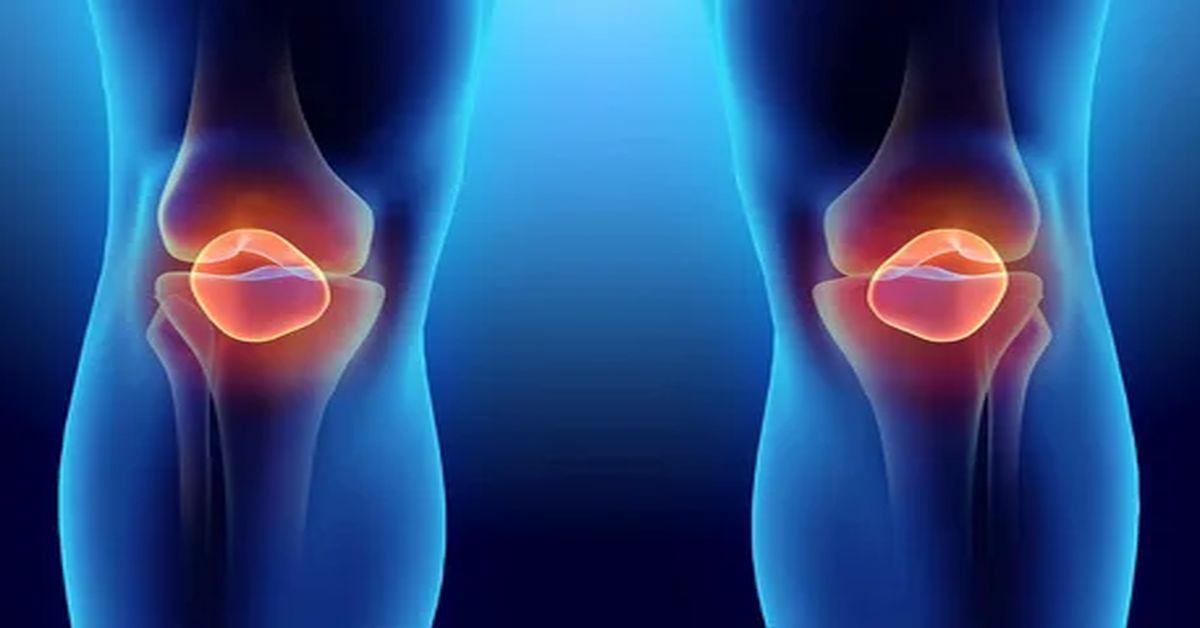
Joint dislocation is a serious orthopedic problem that occurs when bones separate from the articular surface. It usually happens as a result of falls, impacts, sudden movements, or sports injuries. The shoulder, elbow, hip, finger, and jaw joints are the most susceptible to dislocation. Dislocation manifests itself with pain, swelling, limited movement, and deformity.
Treatment is determined by the type and severity of the dislocation, as well as the patient's overall health. In mild cases, the joint is repositioned by a specialist. This procedure is called closed reduction.
Treatment is applied to patients with tears in surrounding tissues, ligament damage, or fractures. In these cases, surgical intervention may also be necessary. Treatment of joint dislocationTreatment may include the use of a splint, cast, or bandage to keep the joint stable after surgery. During this period, excessive weight-bearing on the joint should be avoided, and adequate rest is important.
Physical therapy is a crucial stage in the recovery process. Exercises strengthen muscles and restore joint mobility. Regular exercise increases joint stability and reduces the risk of recurrence. Furthermore, adhering to the exercise plan recommended by your doctor supports long-term joint health.
In conclusion, anyone experiencing pain, deformity, or limited range of motion may be a suitable candidate for this treatment. Early diagnosis and appropriate intervention reduce the risk of permanent damage and help preserve joint function.
In what situations is joint dislocation treatment used?
A dislocation occurs when two bones separate from each other. It is a serious condition caused by the loss of the normal position of the joint surfaces. This usually happens as a result of falls, impacts, or sports injuries. Traffic accidents can also cause it. The shoulder, elbow, hip, finger, and jaw joints are among the most frequently affected areas. Dislocation manifests itself with symptoms such as severe pain, swelling, limited movement, and deformity.
The treatment method is determined according to the patient's condition. In mild cases, the joint is repositioned by a specialist. This procedure is called closed reduction. This procedure is usually performed under analgesics or anesthesia to reduce pain and restore the joint to its former function. In more advanced cases, damage to ligaments, muscles, or bone tissues may occur. In these cases, surgical intervention may be necessary.
Treatment is applied to patients with compromised joint integrity, limited range of motion, and severe pain. It is also used in cases where tears, fractures, or damage to surrounding tissues are detected. Treatment of joint dislocation This is the preferred method. After treatment, a splint, cast, or bandage is used to keep the joint stable. During this process, care should be taken to rest and avoid putting excessive strain on the joint.
During the recovery period, physical therapy is important for regaining muscle strength and increasing the range of motion of the joint. Regular exercise strengthens joint stability and reduces the risk of recurrence of dislocation.
In conclusion, for patients experiencing pain, deformity, or loss of movement in the joint treatment of joint dislocation It is applied. Early intervention reduces the risk of permanent damage and preserves the natural function of the joint.
What are the treatment methods for joint dislocation?
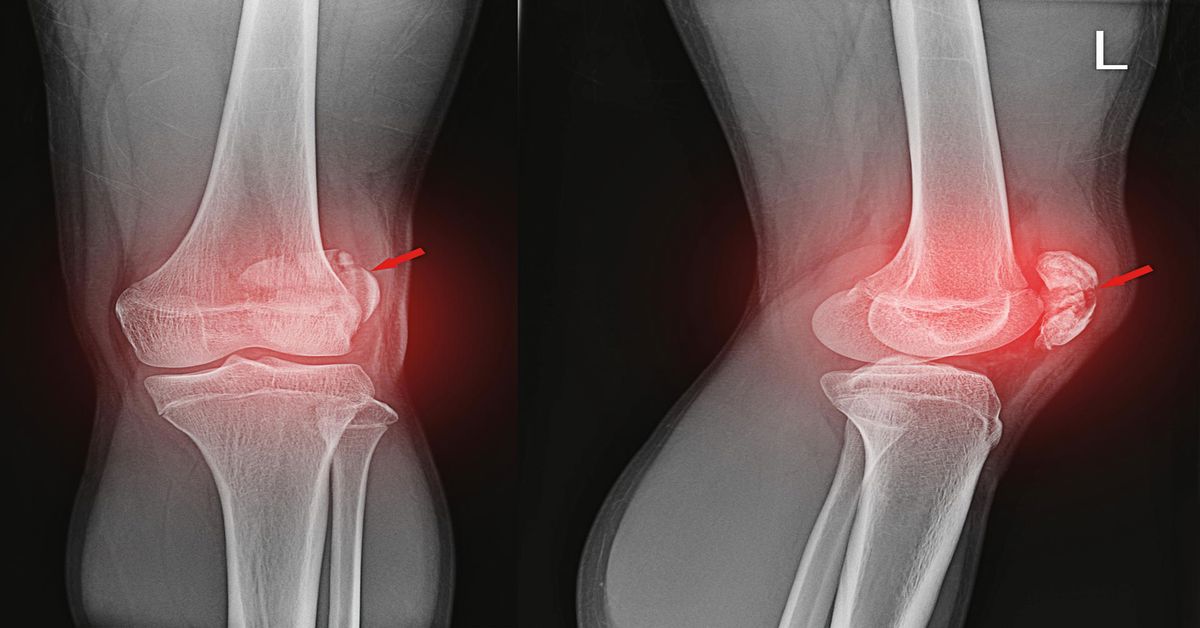
A dislocation is a condition resulting from the loss of position of the joint surfaces. It usually occurs after falls, impacts, sports injuries, or traffic accidents. A dislocation manifests itself with severe pain, swelling, limited range of motion, and deformity of the joint. The treatment method is determined according to the type and severity of the dislocation and the patient's overall health condition.
In mild cases, non-surgical treatment methods are preferred. In this case, the joint is repositioned by a specialist physician. This procedure is called closed reduction and is usually performed under pain medication or anesthesia. Afterwards, a splint, bandage, or cast is applied to keep the joint stable. During the recovery period, excessive load on the joint should be avoided, and the area should be protected.
In advanced cases, surgery may be necessary. Surgery is performed if tears or fractures are detected in ligaments, muscles, or bones. Treatment of joint dislocationSurgery involves repairing joint structures and ensuring proper alignment. Post-operative physical therapy is crucial for restoring joint mobility.
Muscle strengthening exercises are performed during the recovery process. These exercises increase joint stability and reduce the risk of re-dislocation. In addition, adopting correct posture and movement habits after treatment supports long-term success.
In conclusion, with accurate diagnosis and appropriate treatment, joint dislocations can heal without causing permanent damage. Early intervention helps preserve joint function and improve quality of life.
What is the recovery process like after treatment for joint dislocation?
Treatment of joint dislocation The recovery process varies depending on the method used and the severity of the dislocation. In mild cases, the healing process is shorter. However, in cases requiring surgical intervention, this period may be longer. After treatment, a splint, cast, or bandage is used to keep the joint stable. This ensures that the joint structures heal properly.
Swelling and pain may occur in the first few days. Pain relievers and cold compresses recommended by your doctor will reduce these symptoms. During the recovery period, excessive strain on the joint should be avoided, and sudden movements should be prevented. Furthermore, regular check-ups are very important during the healing process.
Physical therapy is a crucial part of the recovery process. The exercise programs strengthen muscles, increase joint flexibility, and restore mobility. Regular exercise also reduces the risk of re-dislocation.
In conclusion, following your doctor's recommendations is crucial for a successful recovery. Continuing physical therapy and avoiding putting excessive strain on the joint are also necessary. Treatment of joint dislocationWhen supported by these measures, it provides lasting relief and protects patients' joint health in the long term.