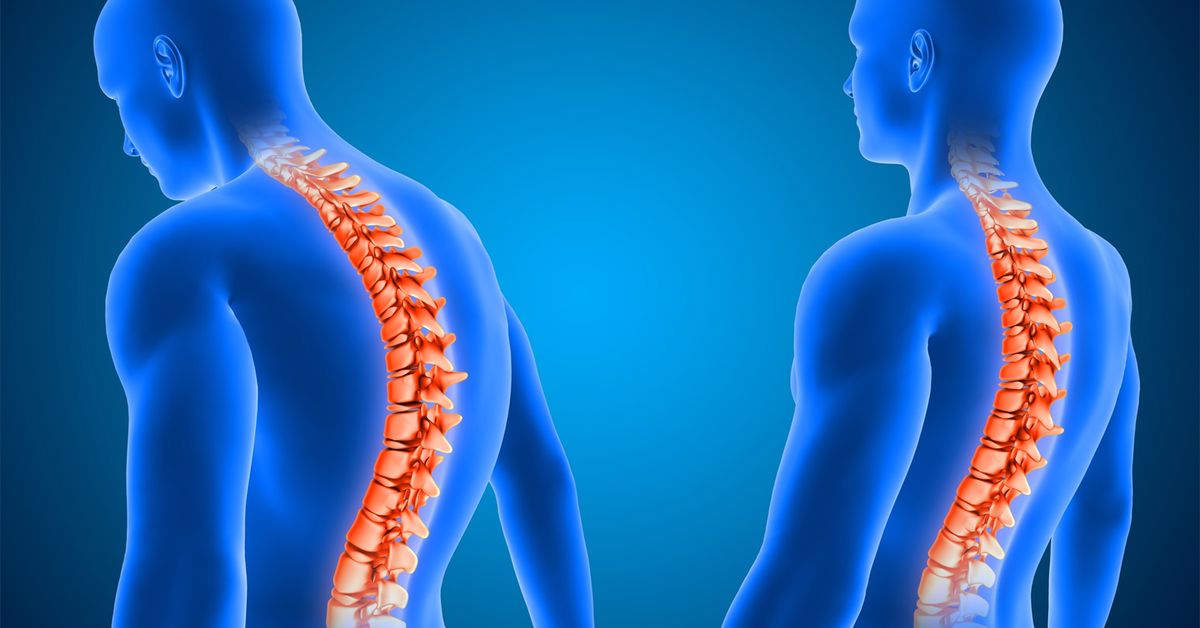
Daily lifestyle habits can affect spinal health. Prolonged incorrect sitting positions can lead to posture problems. Neck and back pain may become more pronounced over time. Early assessment can positively impact quality of life. In particular, postural disorder treatment can help support spinal balance. Personalized exercise programs can improve movement patterns. Who is suitable for Postural Disorder Treatment? Daily life…

Daily lifestyle habits can affect spinal health. Prolonged incorrect sitting positions can lead to posture problems. Neck and back pain may become more pronounced over time. Early assessment can positively impact quality of life. Especially... Posture disorder treatment It can help support spinal balance. Personalized exercise programs can improve movement patterns.
Who is a suitable candidate for postural disorder treatment?
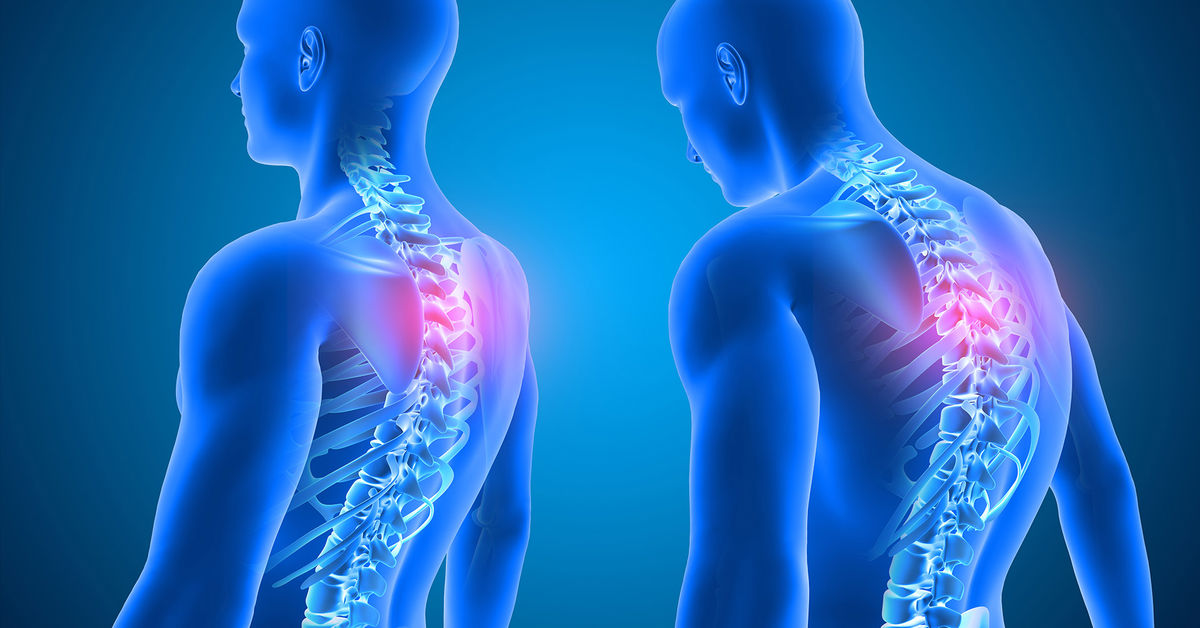
Daily lifestyle habits can affect spinal structure over time. People who work at a desk for long periods may experience discomfort in the back and neck area. Increased use of phones and computers can reinforce poor posture habits. In some individuals, drooping shoulders or a hunched posture may be noticeable. Lack of movement can lead to weakening of muscle structure.
For many people Posture disorder treatment It can help support spinal balance. People who work at a desk for long periods of time can particularly benefit from this process. Individuals who use their phones constantly may develop posture problems in the neck area. Incorrect sitting habits may be noticeable in school-aged children. An assessment can also be performed for individuals experiencing muscle imbalance after sports activities.
The treatment process can be planned according to the individual's needs. Exercise programs may be recommended for some people. Movements that support muscle structure can contribute to spinal balance. Regular physical activity can increase body awareness. Properly arranging the work environment can also be beneficial. Paying attention to sitting posture can positively affect daily life comfort.
For people who experience limited mobility in daily life Posture disorder treatment It can provide significant support. It can help reduce discomfort in the neck, back, and lower back areas. Strengthening muscle structure can support a more balanced posture. Regular exercise can increase comfort of movement. Assessments can contribute to preventing future problems.
In what situations is posture disorder treatment used?
Daily lifestyle habits can affect spinal structure over time. Working at a desk for long periods can cause discomfort in the back and neck area. Increased use of phones and computers can reinforce poor posture habits. In some people, drooping shoulders or a hunched posture may be noticeable. Lack of movement can lead to weakening of muscle structure.
Posture problems can arise for various reasons. Sitting in an incorrect position for extended periods can affect spinal balance. Heavy lifting habits can put pressure on the back. Incorrect movements during sports can lead to muscle imbalances. Some individuals may experience spinal problems such as scoliosis or kyphosis.
For many people Posture disorder treatment It can be used to support the spinal structure. People experiencing neck, back, and lower back pain can benefit from this process. It can be preferred for posture problems that occur in people who work at desks. Exercise programs can be implemented for people with limited mobility.
The treatment process can be planned according to the individual's needs. Adjusting daily lifestyle habits can be important. Properly adjusting the work environment can support spinal health. Regular physical activity can help strengthen muscle structure. Early assessments can contribute to reducing the likelihood of future problems.
What are the treatment methods for posture disorders?

Daily lifestyle habits can affect spinal structure over time. Sitting in an incorrect position for long periods can cause discomfort in the back and neck. Lack of movement can lead to muscle weakness. Increased use of phones and computers can contribute to posture problems. Some people may experience drooping shoulders or a hunched posture.
For many people Posture disorder treatment These can be planned in different ways. Exercise programs can help strengthen muscle structure. Stretching exercises can help support spinal balance. Physiotherapy These practices can improve comfort of movement. Manual therapy methods may be preferred for some individuals.
Adjusting daily habits can be important during the treatment process. Avoiding staying in the same position for long periods can support spinal health. Correct sitting posture can help reduce pressure on the back. Regular walking can support muscle structure. For some people, activities such as Pilates or swimming may be recommended. Sleep patterns and sleeping position can also affect spinal structure.
Strengthening muscle structure can contribute to a more balanced posture. Increased mobility can positively impact daily life comfort. Regular exercise can help reduce discomfort in the back and neck area. Early interventions can help prevent future problems. Therefore, a process planned with expert evaluation is important.
What is the recovery process like after posture disorder treatment?
The post-treatment recovery process can vary from person to person. In the initial stages, the body may try to adapt to the new posture. Some people may experience muscle fatigue. Regular exercise can help strengthen muscle structure. It is important to perform the exercises given by the specialist without fail. Regulating daily life habits can contribute to a more efficient recovery process.
Maintaining a regular exercise routine in the post-treatment period can be important. Avoiding prolonged periods in the same position can support spinal health. Regular walking can help strengthen muscle structure. Stretching exercises may be recommended for some individuals. Properly organizing the work environment can improve daily comfort. Avoiding carrying heavy loads can help reduce pressure on the back.
Strengthening muscle structure can contribute to a more balanced posture over time. Regular physical activity can improve comfort of movement. Some people may feel more comfortable moving after treatment. Maintaining correct posture habits in daily life is important. Following expert recommendations can help the process progress positively. Follow-up sessions can allow for monitoring progress.
Maintaining healthy daily habits can be important for long-term results. Regular exercise can help support muscle structure. Increased mobility can positively impact quality of life. Correct sitting and working postures can protect spinal health. Some people may achieve more balanced posture after regular practice. This should be done under expert supervision. Posture disorder treatment The process offers significant advantages.