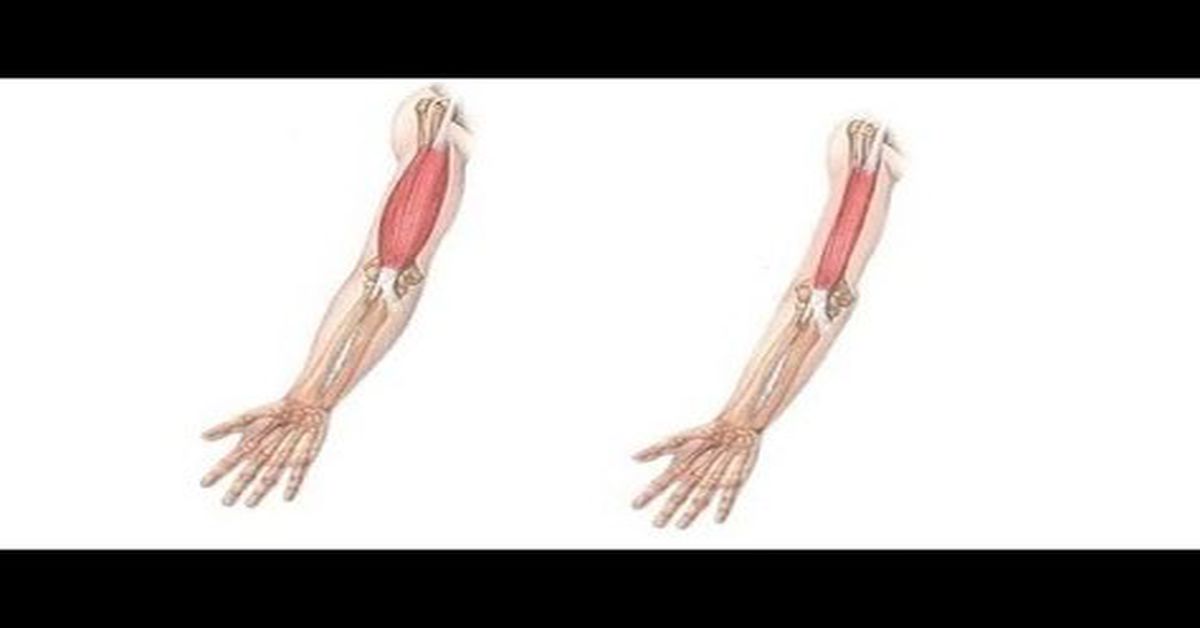
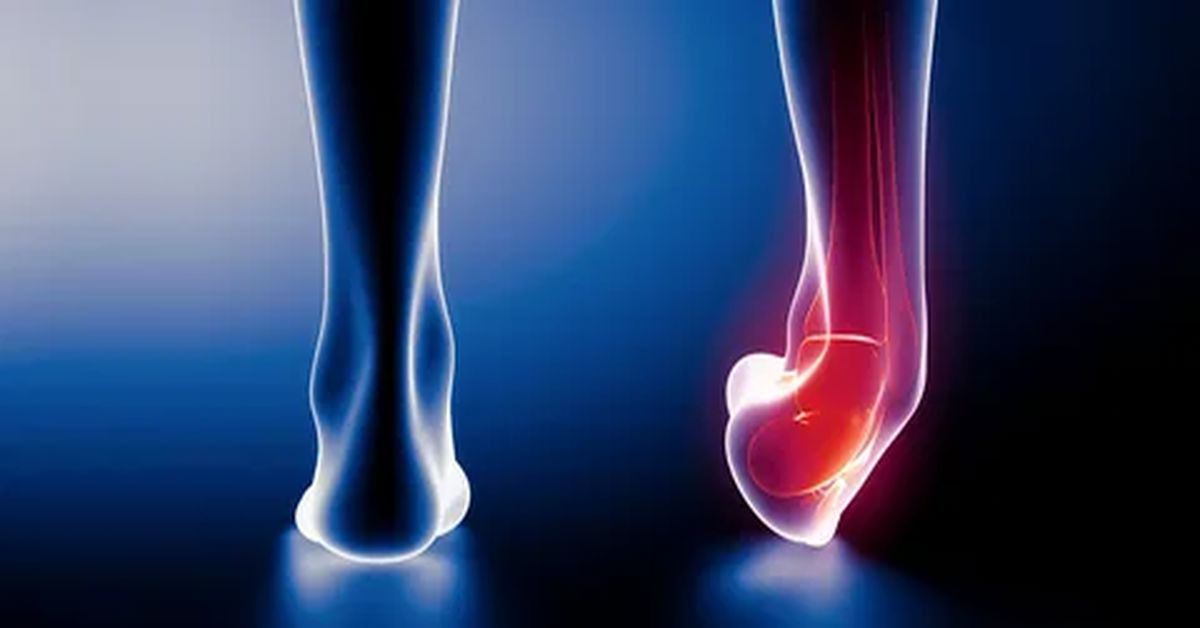
It is the compression of nerves by surrounding tissues. This condition usually occurs when muscles, tendons or bones press on the nerve. Nerve compression can cause pain, tingling, numbness and loss of strength. The most common areas are the wrist, neck and waist. If left untreated, nerve damage can develop. It can be treated with physical therapy, medications or surgery. Early intervention is important. Nerve Compression Symptoms …

It is the pressure on the nerves by the surrounding tissues. This condition usually occurs when muscles, tendons or bones put pressure on the nerves. Nerve compression can cause pain, tingling, numbness and loss of strength. The most common areas are the wrist, neck and waist. If left untreated, nerve damage can develop. It can be treated with physical therapy, medications or surgery. Early intervention is important.
Nerve Compression Symptoms and Causes

Nerves carry messages from different parts of the body to the brain and from the spinal cord to the muscles. Any pressure along this transmission line can disrupt nerve transmission. Nerve compression occurs when nerves are compressed or subjected to excessive pressure. This condition is usually felt during joint or muscle movements and affects daily life.
Pain, numbness, and tingling in the hands and wrists, neck, or shoulder area, nerve compression Symptoms include burning or stinging sensations. Pressure and repetitive movements can cause inflammation and loss of function in the nerves. Those at risk include office workers, heavy lifters, and athletes.
The causes of nerve compression are varied. Muscle inflammation, joint dislocations, spinal problems, and overuse can all lead to nerve compression. In some individuals, anatomical differences or genetic predisposition are also risk factors. Furthermore, the aging process, joint wear and tear, and changes in bone structure increase the likelihood of nerve compression.
Early diagnosis and treatment are important. Rest, physical therapy, and anti-inflammatory medications are generally recommended. In some cases, surgical intervention may be necessary. Regular exercise and ergonomic work positions help protect the nerves. This can prevent both pain and loss of function. When the right precautions are taken in daily life, nerve compression The problems can be largely controlled and the risk of complications is reduced.
Who gets nerve compression?
Nerves carry signals from different parts of the body to the brain and from the spinal cord to the muscles. Any pressure along this transmission line can lead to pain, numbness, or tingling. Muscle and joint health, posture, and repetitive movements affect the condition of the nerves. Therefore, certain areas of the body are more susceptible to nerve compression.
Nerve compression most often occurs in the wrist, elbow, neck, and shoulder areas. Repetitive movements, remaining in the same position for long periods, or lifting heavy loads are risk factors. Office workers, computer users, and athletes are therefore frequently affected.
In some groups nerve compression It occurs more frequently. Middle-aged and older individuals, as well as those with joint wear or spinal problems, are at risk. People with diabetes are more easily affected because their nerves are sensitive. Hormonal changes and weight gain during pregnancy can also put pressure on the nerves. Genetic factors and anatomical differences create a predisposition to nerve compression in some individuals.
Early diagnosis and treatment are crucial. Rest, physical therapy, and anti-inflammatory medications are sufficient in most cases. Surgery may be necessary in severe cases. Ergonomic design and regular exercise help prevent nerve compression. Regular check-ups minimize pain and functional loss. With the right precautions, nerve health can be protected, and daily life can become more comfortable.
What are the treatment methods for nerve compression?

Nerve compression is a condition caused by pressure applied to a nerve. This can disrupt the nerve's normal function. Pain, numbness, tingling, and weakness are the most common symptoms. It usually occurs in the wrist, elbow, neck, and shoulder areas.
Treatment methods vary depending on the severity and cause of the nerve compression. In mild cases, rest and lifestyle changes may be sufficient. Symptoms can be reduced with pain relievers, anti-inflammatory drugs, and physical therapy. Ergonomic position changes and limiting movement are important in this process. nerve compression Treatment is planned according to the patient's condition. In some cases, applying heat or cold provides relief.
In more serious cases, surgery may be necessary. An operation is performed to relieve pressure on the nerve. Post-surgical physical therapy and rehabilitation begins. This helps the nerve function properly again and restores muscle function. Regular follow-up and doctor check-ups reduce the risk of complications.
Early diagnosis is critical for successful treatment. Patients should consult a doctor as soon as they notice any symptoms. Most cases of nerve compression improve with treatment. Regular exercise, proper posture, and hygiene measures can reduce the risk of recurrence. This improves quality of life and allows for easier performance of daily activities.
What is the recovery process like after nerve compression treatment?
The recovery process following nerve compression treatment varies depending on the method used and the severity of the compression. In mild cases, rest and lifestyle changes are often sufficient. Pain and numbness decrease rapidly. Patients can return to their daily activities in a short time. Physical therapy and exercise programs strengthen muscles and reduce pressure on the nerve. Regular movement and ergonomic positions support recovery.
In severe cases, surgical intervention may be necessary. A rehabilitation process begins after the operation. Physical therapy strengthens muscles and increases flexibility around the nerves. This helps normalize nerve transmission and reduces functional loss. Exercise and positional control are important to prevent recurrence of symptoms after treatment. The patient also regularly follows the program determined by the surgeon or physiotherapist.
Home care is also a critical part of the recovery process. Lifting heavy objects, performing repetitive movements, or remaining in the same position for extended periods is prohibited. Rest, stress reduction, and adequate sleep ensure complete nerve healing. Cold or hot applications can be used when pain and discomfort are felt. Nutrition should be planned to support muscle and nerve health.
When treatment and rehabilitation are complete, patients nerve compression Most of the symptoms disappear significantly. Pain, numbness, and tingling decrease. The risk of recurrence is minimized with exercise, ergonomic positioning, and hygiene measures. Patients return to daily life activities safely, and their nerve health is preserved in the long term.