Certain problems in bone structure can affect comfort of movement. Pain and tenderness can make daily life difficult. Bone tissue can be damaged after sports injuries. Prolonged strain can cause discomfort in some people. Rest is important for healing. Early assessment can help in making the right treatment plan. Bone edema is among the conditions that can cause pain during movement. Bone Edema…

Certain problems in bone structure can affect comfort of movement. Pain and tenderness can make daily life difficult. Bone tissue damage can occur after sports injuries. Prolonged strain can cause discomfort in some people. Rest is important for healing. Early assessment can help in making the right treatment plan. Bone edema These are some of the conditions that can cause pain during movement.
What Causes Bone Edema?
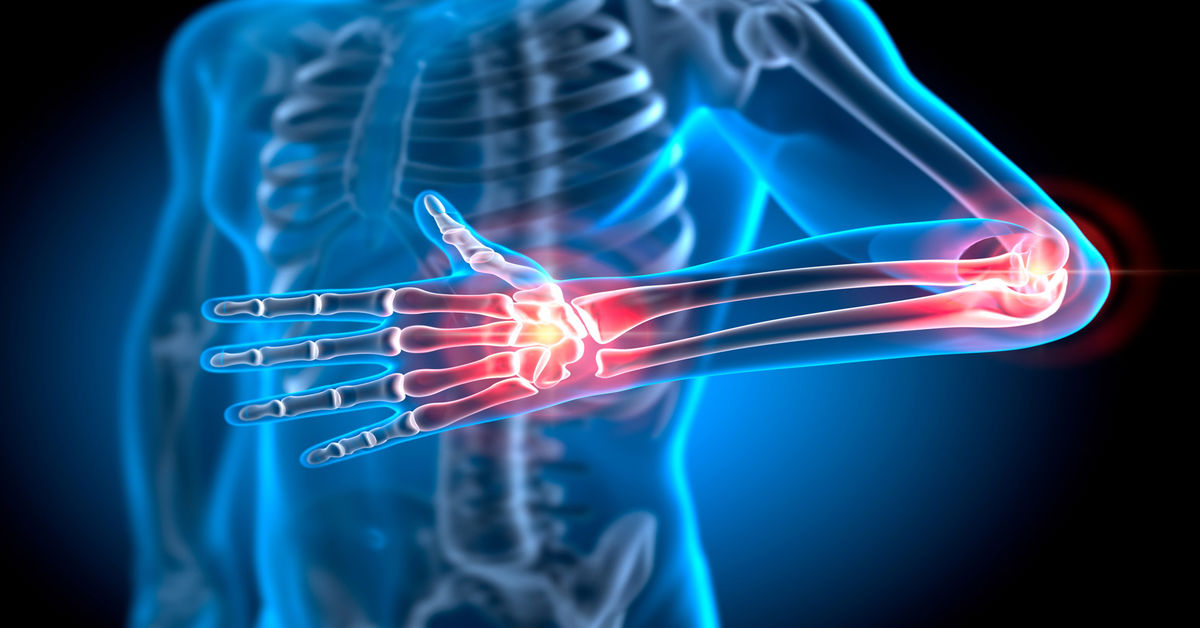
Certain problems in bone structure can negatively affect comfort of movement. Pain and tenderness can make daily life difficult. Bone tissue can be strained, especially after sports injuries. Prolonged strain can cause discomfort in some individuals. Early assessment is important for the treatment process. Regular doctor check-ups can help monitor the progress.
bone edema It can often occur after trauma and overuse. Impacts during sports can cause damage to bone tissue. Prolonged intense physical activity can pose a risk. In some individuals, it may develop after falls and impacts. Strains on the joint structure can affect bone tissue. Cartilage problems can trigger this process in some cases. Increased pressure on the bone can cause pain.
Bone disorders can cause pain during movement. Some people may experience swelling and tenderness. Standing for long periods can worsen symptoms. Rest is important for recovery. Controlled physical activity is recommended. Regulating daily lifestyle habits can support bone health. If symptoms persist, a specialist evaluation may be necessary.
Maintaining bone health is crucial for daily life. Regular exercise can improve muscle and joint support. Avoiding overly strenuous movements is recommended. A balanced diet can contribute to the preservation of bone structure. Bone edema To reduce the risk of developing it, physical activity and regular doctor checkups can be important.
Who gets bone edema?
Certain problems in bone structure can affect daily life comfort. Pain and tenderness may occur during movement. Bone tissue can be strained, especially after intense physical activity. Sports injuries can affect bone structure in some individuals. Early assessment is important for the treatment process. Regular doctor check-ups can help monitor the progress.
Activities that strain bone tissue can pose a risk for some individuals. Professional athletes may be at greater risk due to intense physical exertion. People who work standing for long periods may experience strain on their bone structure. Jobs requiring heavy lifting can affect bone and joint structure. Trauma such as falls and impacts can cause damage in some people. Weakening of bone structure in old age can increase the risk.
Activities like football, basketball, and running can subject bone structure to intense pressure. Prolonged strenuous movements can pose a risk. The likelihood of developing this condition increases in individuals with pre-existing joint problems. In some people, it can develop after trauma. Strain on bone tissue can cause pain. Tenderness during movement may also occur. bone edema It can occur more frequently, especially in people who exercise.
Maintaining bone health is crucial for daily life. A balanced diet can contribute to supporting bone structure. Regular exercise can improve muscle and joint support. Avoiding overly strenuous movements is recommended. Regular medical checkups can help detect potential problems early.
What are the treatment methods for bone edema?
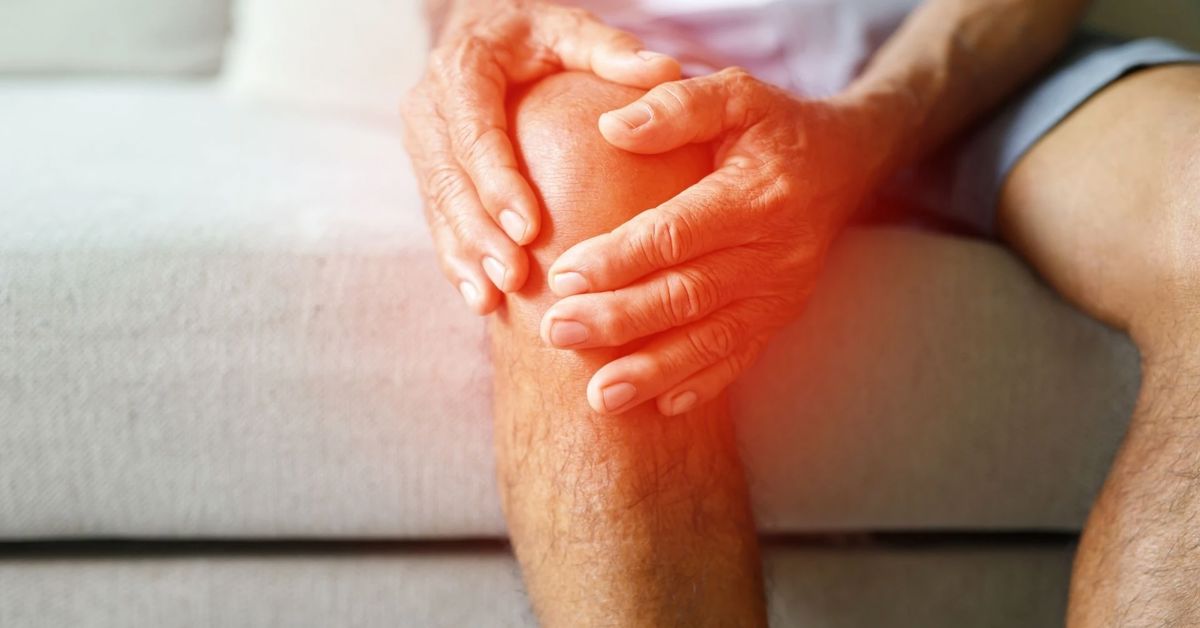
Certain problems in bone structure can cause pain and tenderness during movement. Daily life activities can be negatively affected by this condition. Bone strain can occur, especially after sports injuries. Early assessment is important for the treatment process. Regular doctor check-ups can help monitor the progress. Following expert advice can support the healing process.
bone edema Rest is crucial in the initial stages of treatment. Avoiding excessive strain on the affected area is recommended. In some cases, medication may be used to control pain. Physical therapy can help improve range of motion. Cold applications may provide relief for some individuals. Controlled daily activities are important. In severe cases, different treatment methods may be considered.
Adjusting lifestyle habits is important during the recovery process. A balanced diet can support bone health. Regular exercise can increase muscle and joint support. Avoiding overly strenuous movements is recommended. Rest can contribute to bone tissue recovery. Maintaining controlled daily activities is important. Regular doctor check-ups can help monitor the healing process.
Maintaining bone health is crucial for daily quality of life. Early diagnosis and a proper treatment plan can support the healing process. Following expert recommendations can contribute to the treatment process. Regular follow-up can help detect potential problems early. Controlled physical activity can support the preservation of bone and joint structure.
What is the recovery process like after bone edema treatment?
The recovery process after edema treatment can vary depending on the individual's health condition. Rest is important in the first few days. Avoid excessive strain on the affected area. Some people may experience mild pain and tenderness, which usually decreases over time. Following your doctor's recommendations can support the healing process. Regular check-ups can help detect potential problems early.
Controlled physical activity is important in the post-treatment period. Avoiding sudden and strenuous movements is recommended. Gentle exercises can help maintain muscle and joint support. Rest can contribute to bone recovery. Maintaining a balanced daily routine is important. Regular sleep and a balanced diet can support the healing process. Re-evaluation may be necessary if symptoms persist.
Adjusting lifestyle habits is crucial during the recovery process. A balanced diet can contribute to the preservation of bone structure. Regular exercise can improve mobility. Standing for long periods may cause discomfort for some individuals. Therefore, it is recommended to perform daily activities in a controlled manner. Regular doctor check-ups can help monitor the healing process. Following expert advice can support the treatment process.
Patience is important in the post-treatment period. Each individual's recovery process can be different. Regulating daily routines can be beneficial for overall health. Regular doctor check-ups can help ensure a more controlled recovery. Bone edema Following expert advice afterward can support the recovery process.